Joachim De Weerdt, International Food Policy Research Institute (IFPRI) ; Channing Arndt, CGIAR System Organization; James Thurlow, International Food Policy Research Institute (IFPRI) ; Jan Duchoslav, International Food Policy Research Institute (IFPRI) ; Joseph Glauber, International Food Policy Research Institute (IFPRI) ; Liangzhi You, International Food Policy Research Institute (IFPRI) , and Weston Anderson, University of Maryland
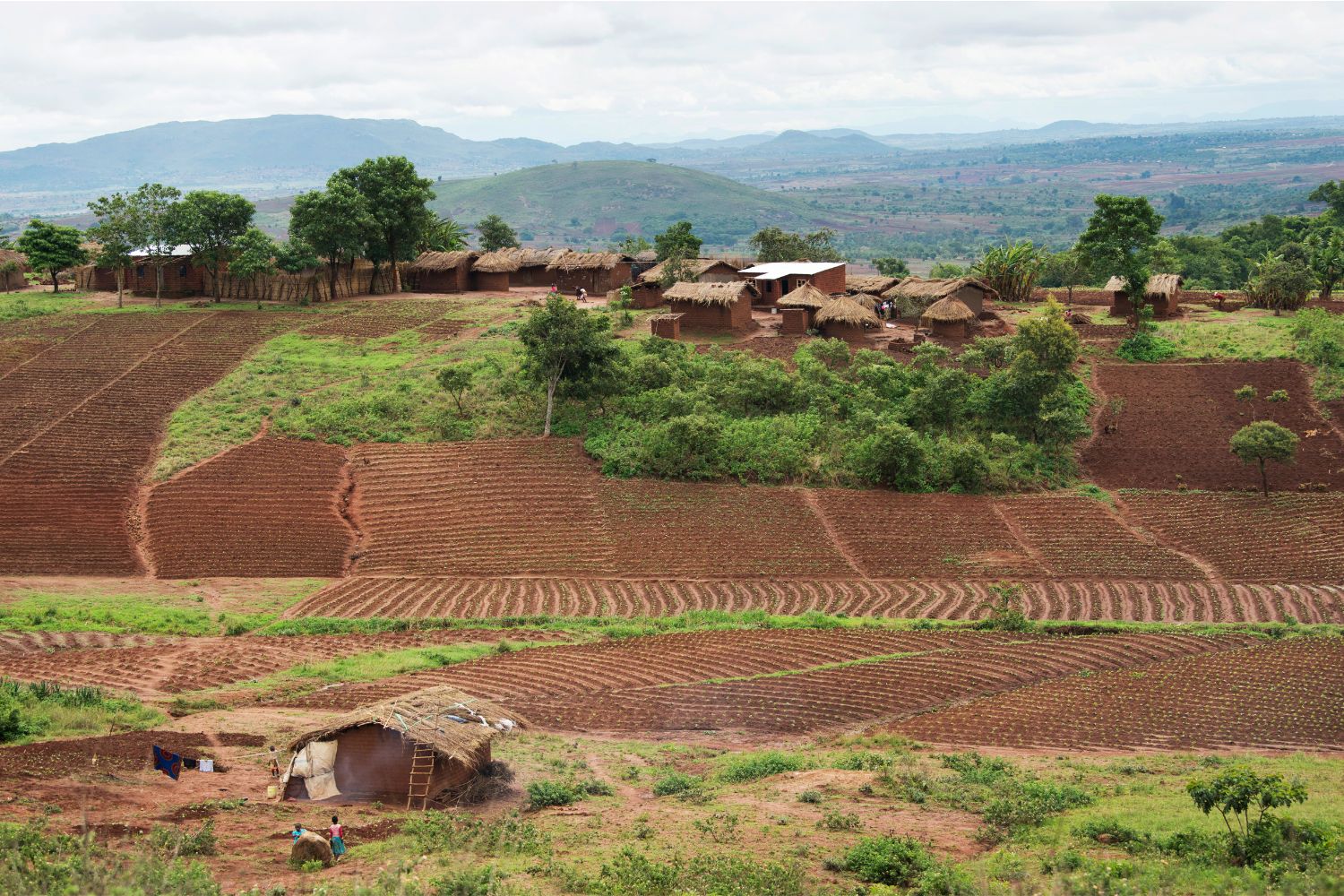
Maize is the preferred staple of most of southern Africa. In Malawi it supplies two-thirds of national calorie intake. Nine out of 10 farming households produce maize and devote over 70% of their land to growing it.
Most farming households are vulnerable to the rainfall patterns. Over 90% of farming households in the country rely solely on rain to irrigate their maize plants.
We looked at possible weather pattern changes driven by El Niño – an unusual warming of surface waters in the eastern tropical Pacific Ocean – and their impact on maize production in Malawi.
We did this by developing a model from historical district crop data and El Niño events since the 1980s.
Econometric modelling, which uses statistics and mathematics, is useful in studying the cause and effect of relationships, in the case of weather patterns.
Historically, two out of every three El Niño events have coincided with reduced maize harvests of, on average, 22.5%.
A fall of this magnitude would result in millions of people relying on food aid. The shortage would also affect both formal and informal maize markets while rural food producers would have much less maize to sell.
Though higher prices would provide some support to rural households that successfully grow maize, urban households would have to cope with depressed economic conditions and higher prices.
Based on our findings, we recommend social protection programmes for impoverished people in both rural and urban areas. These can include cash transfers or government food aid.
In addition, policy makers need to monitor the impact of El Niño shocks so they can respond quickly by importing more maize, with international assistance.
And a set of policies needs to be developed, including investments in helping farmers install irrigation for their crops, and diversifying income-generating opportunities beyond traditional farming.
ALSO READ: An African history of cannabis offers fascinating and heartbreaking insights – an expert explains
El Niño and Indian Ocean Dipole
The climate science community agrees that El Niño is under way. This year’s El Niño is forecast to be among the strongest in the last 40 years and has been accompanied by a strong Indian Ocean Dipole, a similar climate event which often amplifies the impacts of El Niño.
Together, El Niño and the Indian Ocean Dipole typically cause either flooding or widespread drought. For example, in 2016, an El Niño drought in southern Africa left over 60 million people in the region seeking food aid, including 40% of Malawi’s population of 17.41 million people at that time.
In Malawi, the El Niño season began in November 2023. Although it’s too early to tell, it might affect the 2023-24 growing season. Not all El Niño years create food production shortfalls. Over the past 40 years, there were 11 El Niño episodes globally, of which, as our research explains, seven negatively affected crop production in Malawi and four did not. This is because El Niño differs from event to event: in some years, El Niño may bring more rainfall but in most years it causes less rainfall than normal.
However, in those seven negatively affected years, Malawi harvested 22.5% less maize than expected on average.
In addition, the changes in rainfall and temperature brought about by El Niño can have widely different impacts on crops and the rural population in different parts of the country. For instance, in both Malawi and Zambia, the southern districts often experience larger negative impacts than those in the north.
This is true across the region too, with some regions experiencing negative shocks while others benefit.
ALSO READ: Africa’s savannah elephants: small ‘fortress’ parks aren’t the answer – they need room to roam
Can Malawi’s farmers prevent devastating losses?
Malawi’s ministry of agriculture has developed and is disseminating mitigation advice for rural farmers:
- plant with the earliest effective rains
- grow early maturing crops
- practise farming measures to trap water and let it infiltrate into the soil, like digging small holes next to crops
- start planting more drought resistant crops
- use organic manure to improve soil moisture retention.
But these measures might not be enough. Some cost money that many farmers don’t have. And domestic food production could still be negatively affected by El Niño this year.
If the much lower maize harvest does occur, many people in Malawi could end up relying on food aid, with people lining up for hours for sacks of maize as they did during the 2016 drought.
Formal and informal imports of maize from neighbouring countries are common practice and usually mean that maize is available for the government to buy and distribute.
But, if there are poor harvests across the whole region, there won’t be enough food to be sold informally or formally across borders.
Rural food producers will also have much less maize to sell. However, they will sell at higher prices, which will provide some support to rural households who are maize sellers.
But urban households will have to cope with depressed economic conditions and higher prices for food.
ALSO WATCH: Nigeria implements ban on single-use plastics and styrofoam to tackle environmental pollution
What urgent steps can the government take?
Our modelling suggests that impoverished people in urban areas are notably vulnerable and must be included in social protection programmes. Cash transfers are an obvious tool here, but when cash is distributed without sufficient food in the market, it might also push up food prices as consumers compete for the same scarce goods.
El Niño shocks to agriculture will have economy-wide impacts: reduced farm production, increased food prices, disruptions to the agrifood supply chains, and reductions in national income.
Policymakers should closely monitor the impacts of El Niño and be prepared to respond in a quick and agile way as the situation unfolds. The government can make arrangements ahead of time to ensure that maize can be imported quickly in case of a domestic shortfall in Malawi.
Considering Malawi’s weak macro-economic and fiscal situation, the international community may be required to finance any necessary food imports.
To prepare for the worst, should large-scale food and/or cash transfers be needed, plans for how their recipients will be identified and reached could be put in place already.
In the longer run, Malawi should prioritise investments aimed at diminishing its reliance on rainfed agriculture. This involves both broadening farmers’ access to irrigation and diversifying income-generating opportunities beyond traditional farming.
Andrew Jamali and Joseph Nagoli (respectively research manager and research director at Malawi’s National Planning Commmission) and Mazvita Chiduwa (associate scientist at the International Maize and Wheat Improvement Centre) contributed to the original research this article is based on.
Joachim De Weerdt, Senior Research Fellow & Malawi Country Program Leader, International Food Policy Research Institute (IFPRI) ; Channing Arndt, Senior Director, Transformation Strategies Department, International Food Policy Research Institute (IFPRI), CGIAR System Organization; James Thurlow, Senior Research Fellow, International Food Policy Research Institute (IFPRI) ; Jan Duchoslav, Research Fellow, International Food Policy Research Institute (IFPRI) ; Joseph Glauber, Senior Research Fellow, International Food Policy Research Institute (IFPRI) ; Liangzhi You, Senior Research Fellow, International Food Policy Research Institute (IFPRI) , and Weston Anderson, Assistant Research Scientist, University of Maryland
*This article is republished from The Conversation under a Creative Commons license. Read the original article.