By using this site, you agree to the Privacy Policy and Terms of Use.
Accept
BGTNBGTNBGTN
  • Home
  • TV Channels
    • 1 – Global TV
    • 2 – Mining TV
    • 3 – Sports TV
  • BRICS
    • B – Brasil
    • R – Россия (Rossiya)
    • I – भारत (Bhārat)
    • C – 中国 (Zhōngguó)
    • S – South Africa
    • BRICS Plus
      • A – Argentina
      • E – مصر (Misr)
      • E – ኢትዮጵያ (Ityop’iya)
      • I – ایران (Irān)
      • S – السعودية (Al-Su’udiyya)
      • U – الإمارات العربية المتحدة
    • BRICS Partner States
      • A – الجزائر
      • B – Bolivia
      • B – Беларусь
      • C – Cuba
      • K – Қазақстан
      • I – Indonesia
      • M – Malaysia
      • N – Nigeria
      • T – ประเทศไทย
      • T – Türkiye
      • U – Uganda
      • U – Oʻzbekiston
      • V – Việt Nam
  • International
  • Sports
  • Features
    • Hearts and Plates
    • Saudi Vision 2030
    • Business and Finance
    • Technology and Trends
    • Arts and Culture
    • Health and Lifestyle
    • Food and Agriculture
    • Travel and Exploration
    • BGTN Cares
  • Weather
Reading: India-China Relations Post-BRICS Summit: A New Dawn?
Share
Font ResizerAa
Font ResizerAa
BGTNBGTN
  • Brasil
  • Россия (Rossiya)
  • भारत (Bhārat)
  • 中国 (Zhōngguó)
  • South Africa
  • Argentina
  • مصر (Misr)
  • ኢትዮጵያ (Ityop’iya)
  • ایران (Irān)
  • السعودية (Al-Su’udiyya)
  • الإمارات العربية المتحدة
  • الجزائر
  • Bolivia
  • Беларусь
  • Cuba
  • Қазақстан
  • Indonesia
  • Malaysia
  • Nigeria
  • ประเทศไทย
  • Türkiye
  • Uganda
  • Oʻzbekiston
  • Việt Nam
  • Home
  • TV Channels
    • 1 – Global TV
    • 2 – Mining TV
    • 3 – Sports TV
  • BRICS
    • B – Brasil
    • R – Россия (Rossiya)
    • I – भारत (Bhārat)
    • C – 中国 (Zhōngguó)
    • S – South Africa
    • BRICS Plus
    • BRICS Partner States
  • International
  • Sports
  • Features
    • Hearts and Plates
    • Saudi Vision 2030
    • Business and Finance
    • Technology and Trends
    • Arts and Culture
    • Health and Lifestyle
    • Food and Agriculture
    • Travel and Exploration
    • BGTN Cares
  • Weather
Follow US
  • Terms and Conditions
  • Privacy Policy
© 2024 BRICS Global Television Network. Newshound Media. All Rights Reserved.
BGTN > BRICS > भारत (Bhārat) > India-China Relations Post-BRICS Summit: A New Dawn?
भारत (Bhārat)中国 (Zhōngguó)

India-China Relations Post-BRICS Summit: A New Dawn?

Nathan Coombs
Last updated: December 7, 2024 3:31 pm
By Nathan Coombs
5 Min Read
Share
SHARE

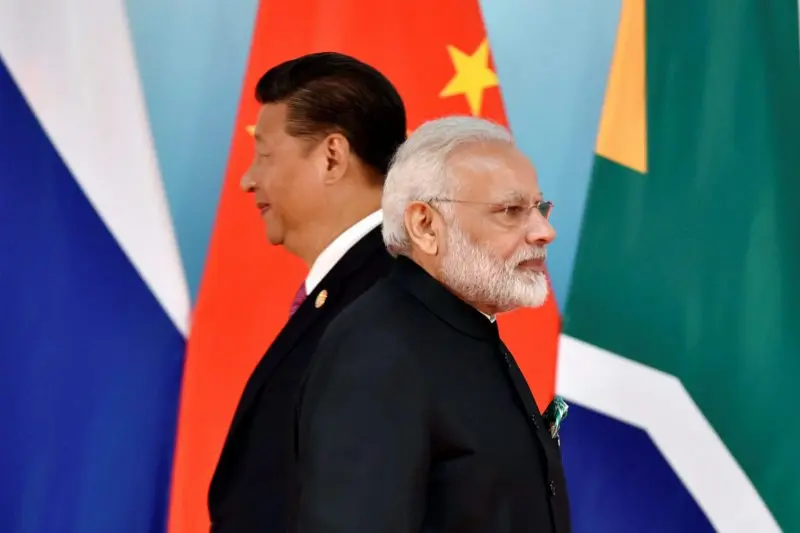
The recent BRICS summit in Kazan marked a significant turning point in India-China relations. For the first time since the deadly border clashes in 2020, Indian Prime Minister Narendra Modi and Chinese President Xi Jinping engaged in formal discussions, signaling a potential thaw in the historically tense relationship between the two Asian giants.

Contents
Historical ContextThe BRICS Summit BreakthroughImplications for Regional StabilityChallenges Ahead

Historical Context

India and China share a long and complex history, marred by territorial disputes and military confrontations. The most notable conflict occurred in 1962, resulting in a brief but intense war that left deep scars on bilateral relations. The border dispute, primarily centered around the Line of Actual Control (LAC), has been a persistent source of tension. The Galwan Valley clash in 2020, which resulted in the deaths of 20 Indian soldiers and four Chinese troops, brought relations to a new low.

The BRICS Summit Breakthrough

The BRICS summit in Kazan provided a platform for Modi and Xi to address these longstanding issues. Both leaders expressed a commitment to de-escalate tensions and resume dialogue. They agreed to set an early date for a meeting between their top officials to resolve border issues and pledged to restore normalcy along the LAC.

This meeting followed a series of lower-level engagements, including discussions between Indian Foreign Minister S. Jaishankar and his Chinese counterpart Wang Yi. These talks had already laid the groundwork for the leaders’ meeting by addressing 75% of the disengagement issues along the border.

Implications for Regional Stability

The thaw in India-China relations has significant implications for regional stability. Both countries are major players in Asia, and their relationship influences the broader geopolitical landscape. A stable and cooperative relationship between India and China could lead to a more peaceful and prosperous region.

Reduced Military Tensions: The agreement to resume border patrols and disengage troops from contentious areas reduces the immediate risk of military confrontations. This move is crucial for maintaining peace along the LAC and preventing incidents that could escalate into larger conflicts.

Economic Cooperation: Improved political relations could pave the way for enhanced economic cooperation. China is one of India’s largest trading partners, and easing tensions could facilitate trade and investment. Indian businesses, particularly in high-end manufacturing sectors like chipmaking, have been advocating for a relaxation of restrictions on Chinese investments.

Multilateral Collaboration: Both India and China are key members of various international forums, including BRICS and the Shanghai Cooperation Organisation (SCO). A cooperative relationship could strengthen these multilateral institutions and promote collective efforts to address global challenges such as climate change, economic inequality, and regional security.

Challenges Ahead

Despite the positive developments, several challenges remain. The border dispute is far from resolved, and mutual distrust lingers. Both countries will need to navigate these issues carefully to avoid setbacks.

Sustaining Dialogue: Continuous and effective communication between India and China is essential to sustain the momentum gained at the BRICS summit. Regular high-level meetings and confidence-building measures will be crucial.

Managing Geopolitical Rivalries: India and China have competing interests in the region, including their relationships with other countries. China’s close ties with Pakistan and India’s strategic partnership with the United States are potential flashpoints that could strain bilateral relations.

Domestic Pressures: Both Modi and Xi face domestic pressures that could influence their foreign policies. Nationalist sentiments and economic considerations will play a role in shaping their approaches to the bilateral relationship.

The recent BRICS summit in Kazan has opened a new chapter in India-China relations. While significant challenges remain, the commitment to dialogue and de-escalation is a positive step towards a more stable and cooperative future. The implications for regional stability and economic cooperation are profound, offering hope for a more peaceful and prosperous Asia.

As the two nations work towards resolving their differences, the international community will be watching closely, hopeful that this thaw in relations will lead to lasting peace and collaboration.


China cracks down on officials playing “Guandan” card game to boost work discipline
India – Pakistan rivalry in Saint-Dennis, France
BRICS Chamber of Commerce unveils key highlights and implications of India’s final 2025 budget
Russia and India set to meet soon to strengthen ties
Three dead in Shanghai knife attack on eve of China’s National Day Holiday
TAGGED:Chinaindia
Share This Article
Facebook Flipboard Pinterest Whatsapp Whatsapp LinkedIn Tumblr Reddit VKontakte Telegram Threads Email Copy Link Print
What do you think?
Love0
Sad0
Happy0
Surprise0
Shy0
Joy0
Cry0
Embarrass0
Sleepy0
Angry0
Dead0
Wink0
Previous Article Environmental and Legal Issues in Gujarat: The Controversy Over Demolitions of Muslim Religious Structures
Next Article The Impact of Foodborne Illnesses on Public Health and Safety in South Africa
Leave a Comment

Leave a Reply Cancel reply

Your email address will not be published. Required fields are marked *

Stay Connected

FacebookLike
XFollow
PinterestPin
InstagramFollow
YoutubeSubscribe
TiktokFollow
LinkedInFollow
TumblrFollow
ThreadsFollow
BlueskyFollow
RSS FeedFollow
- Advertisement -
Ad imageAd image

Latest News

Cristiano Ronaldo and IShowSpeed
Video: Cristiano Ronaldo and IShowSpeed Unite for Electrifying Viking Clap Celebration
Sports
Kenya Establishes Official Framework for Digital Asset Regulation with the Virtual Asset Service Providers Bill, 2025
Africa International
Brazil–Japan Strengthen Dialogue Towards Economic and Trade Partnership
Brasil BRICS
Brazilian Foreign Minister Mauro Vieira Participates in G4 Foreign Ministers Meeting in New York
Brasil BRICS भारत (Bhārat)

You Might Also Like

BRICSBusiness and FinanceРоссия (Rossiya)中国 (Zhōngguó)

China and Russia explore cooperation on the Mir payment system

July 20, 2024
中国 (Zhōngguó)Internationalالسعودية (Al-Su'udiyya)

China and Saudi Arabia rapidly expand military co-operation

June 26, 2024
A man rides past a billboard with pictures of France's President Emmanuel Macron (3R) and India's Prime Minister Narendra Modi (2L), in Jaipur on January 25, 2024. President Emmanuel Macron arrives as the guest of honour in India on January 25, 2024, with a sumptuous palace feast and colourful military parade, as France eyes lucrative deals with the world's fifth-biggest economy. (Photo by Ludovic MARIN / POOL / AFP)
International

India rolls out red carpet for Macron as France eyes trade deals

January 25, 2024
BRICSFeatures中国 (Zhōngguó)

The Jade Rabbit’s enduring mid-autumn significance

July 12, 2025

Our Partners

Ad imageAd image

Learn About BRICS

  • B – Brasil
  • R – Россия (Rossiya)
  • I – भारत (Bhārat)
  • C – 中国 (Zhōngguó)
  • S – South Africa
  • Saudi Vision 2030

Our World

  • A message from the Founder & CEO
  • Support Centre
  • Careers

Google Translate

BGTNBGTN
Follow US
© 2025 BRICS Global Television Network (Pty) Ltd. All Rights Reserved. Independent Media Platform. Unauthorized ownership claims or affiliations are unlawful.
  • Privacy Policy
  • Terms and Conditions
Welcome Back!

Sign in to your account

Username or Email Address
Password

Lost your password?