By using this site, you agree to the Privacy Policy and Terms of Use.
Accept
BGTNBGTNBGTN
  • Home
  • BRICS
    • B – Brasil
    • R – Россия (Rossiya)
    • I – भारत (Bhārat)
    • C – 中国 (Zhōngguó)
    • S – South Africa
    • BRICS Plus
      • A – Argentina
      • E – مصر (Misr)
      • E – ኢትዮጵያ (Ityop’iya)
      • I – ایران (Irān)
      • S – السعودية (Al-Su’udiyya)
      • U – الإمارات العربية المتحدة
    • BRICS Partner States
      • A – الجزائر
      • B – Bolivia
      • B – Беларусь
      • C – Cuba
      • K – Қазақстан
      • I – Indonesia
      • M – Malaysia
      • N – Nigeria
      • T – ประเทศไทย
      • T – Türkiye
      • U – Uganda
      • U – Oʻzbekiston
      • V – Việt Nam
  • International
  • Sports
  • Features
    • Saudi Vision 2030
    • Business and Finance
    • Technology and Trends
    • Arts and Culture
    • Health and Lifestyle
    • Food and Agriculture
    • Travel and Exploration
    • BGTN Cares
  • Weather
Reading: China’s middle class still jittery about spending – especially on property, survey finds
Share
Font ResizerAa
Font ResizerAa
BGTNBGTN
  • Brasil
  • Россия (Rossiya)
  • भारत (Bhārat)
  • 中国 (Zhōngguó)
  • South Africa
  • Argentina
  • مصر (Misr)
  • ኢትዮጵያ (Ityop’iya)
  • ایران (Irān)
  • السعودية (Al-Su’udiyya)
  • الإمارات العربية المتحدة
  • الجزائر
  • Bolivia
  • Беларусь
  • Cuba
  • Қазақстан
  • Indonesia
  • Malaysia
  • Nigeria
  • ประเทศไทย
  • Türkiye
  • Uganda
  • Oʻzbekiston
  • Việt Nam
  • Home
  • BRICS
    • B – Brasil
    • R – Россия (Rossiya)
    • I – भारत (Bhārat)
    • C – 中国 (Zhōngguó)
    • S – South Africa
    • BRICS Plus
    • BRICS Partner States
  • International
  • Sports
  • Features
    • Saudi Vision 2030
    • Business and Finance
    • Technology and Trends
    • Arts and Culture
    • Health and Lifestyle
    • Food and Agriculture
    • Travel and Exploration
    • BGTN Cares
  • Weather
Follow US
  • Terms and Conditions
  • Privacy Policy
© 2024 BRICS Global Television Network. Newshound Media. All Rights Reserved.
BGTN > BRICS > 中国 (Zhōngguó) > China’s middle class still jittery about spending – especially on property, survey finds
中国 (Zhōngguó)Business and Finance

China’s middle class still jittery about spending – especially on property, survey finds

Reporter
Last updated: May 28, 2024 8:08 am
By Reporter
6 Min Read
Share
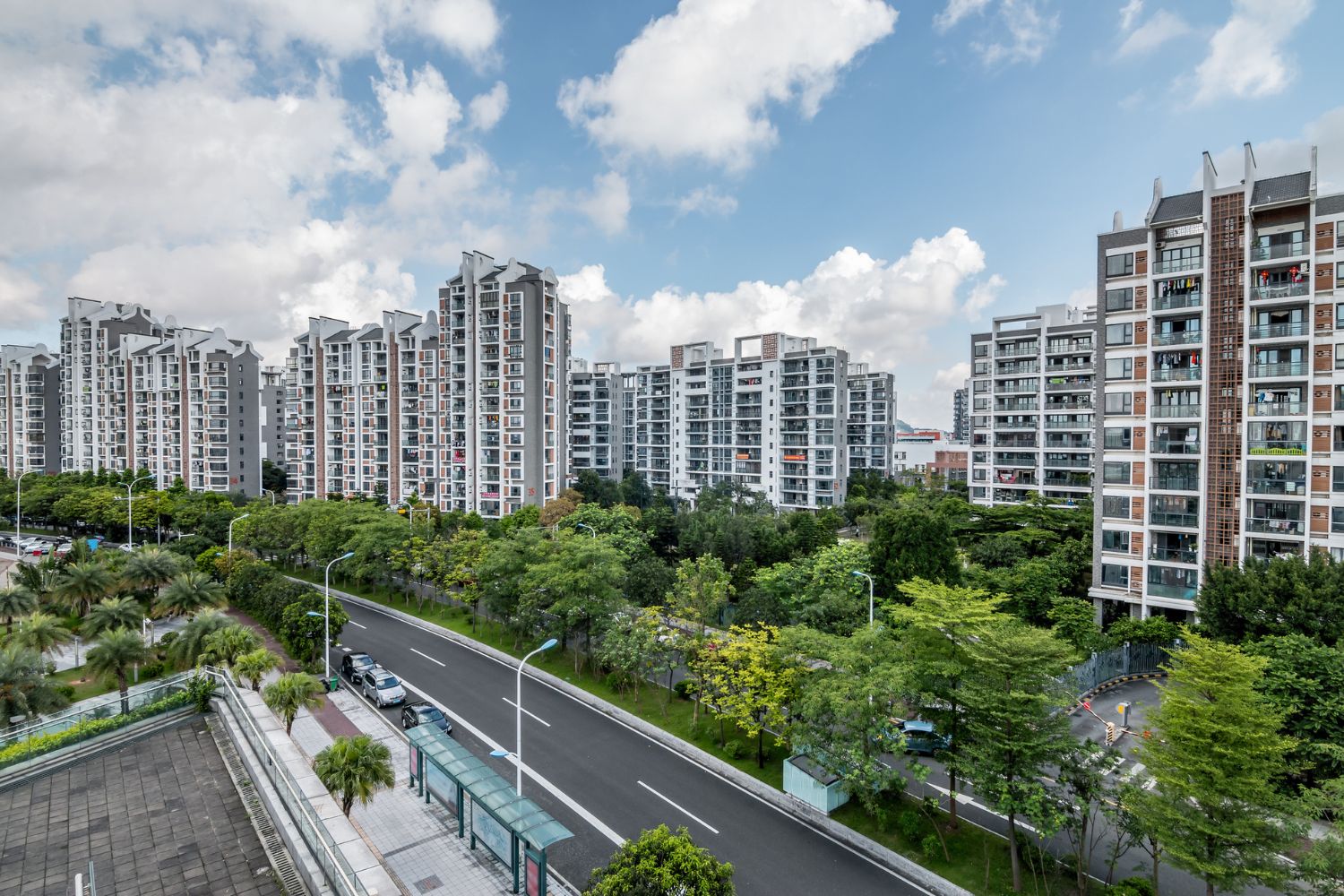
Photo: iStock, Modern Chinese residential,Guangzhou China.
SHARE

The middle class in China has long been considered a pillar of economic stability and growth, when it comes to the real estate market. Researchers at Southwestern University of Finance and Economics in Chengdu, Sichuan province, found that their index of families’ future spending expectations was even lower than the early days of the Covid-19 pandemic. The acquisition of property has been seen not only as a means of securing financial stability but also as a critical element of personal and familial success for decades, but things have changed lately.

Several factors contributed to this shift in sentiment, including economic volatility, government policies, and changing social dynamics. The survey found that the index of spending expectations fell to 101.9 in the first quarter of this year, down from 103.0 in the fourth quarter of 2023. The study highlighted a notable reluctance amongst households towards real estate investment, with fewer families purchasing new homes compared to previous quarters.

Only a small percentage intend to buy property in the near term, while a substantial portion prefer adopting a cautious ‘wait-and-see’ stance. For some, they prefer delaying the purchase of property until the market stabilises or until they have accumulated sufficient savings to make a substantial down payment. Others are exploring alternative investment opportunities, such as stocks or mutual funds, which offer the potential for higher returns without the risks associated with property investments.

The COVID-19 pandemic has further amplified uncertainties in the property market. The economic disruptions caused by the pandemic have led to job losses and reduced incomes for many middle-class families. This has made it even more difficult for them to afford property and has heightened concerns about the long-term stability of the real estate market. The pandemic has also accelerated the adoption of remote work, leading to changes in housing preferences.

There is now a greater demand for properties in suburban or rural areas, where individuals can enjoy a higher quality of life and more spacious living conditions. This shift in demand has created disparities in property prices between urban and non-urban areas, adding another layer of complexity to the decision-making process for potential buyers. In recent years the Chinese economy has experienced significant fluctuations, marked by periods of rapid growth followed by slowdowns.

These economic shifts have created a climate of uncertainty, particularly in the real estate sector. Property prices in many major cities have skyrocketed, making it increasingly difficult for the middle class to afford homes. This has led to concerns about the sustainability of such high prices and fears of a potential market crash. The debt levels of Chinese households have also increased substantially, driven in part by the desire to invest in real estate. High levels of debt have made many middle-class families wary of further investment in property, as they face the risk of being unable to service their loans if the economy takes a downturn.

The combination of high property prices and increasing debt levels has contributed to a cautious approach to property investment amongst the middle class. Government policies have played a significant role in shaping the real estate market in China. The government has implemented a range of measures aimed at cooling the overheated property market. These include tightening mortgage lending standards, imposing higher down payment requirements, and introducing property purchase restrictions in certain cities.

While these policies are designed to prevent speculative bubbles and ensure long-term stability, they have also made it more challenging for the middle class to purchase property. The government’s focus is now on promoting the development of affordable housing has shifted attention away from the high-end property market. While this is very beneficial for low-income families, it has created uncertainties for middle-class individuals who are looking to upgrade their living conditions or invest in property as a means of wealth accumulation for the future.

The unpredictability of future policy changes further exacerbates the sense of uncertainty amongst potential property buyers. The uncertainty surrounding property investments amongst China’s middle class is a reflection of broader economic, policy, and social changes. Economic volatility, government policies aimed at cooling the market, and changing social attitudes have all contributed to a cautious approach to property investment. The impact of the COVID-19 pandemic has further exacerbated these uncertainties, leading to a more complex and unpredictable real estate landscape. While the desire for home-ownership remains, the path to achieving it is becoming more complex and requires careful consideration of various factors.

ALSO READ: Shanghai Woo’s Global Shoppers

Today’s BRICS+ Numbers
The master of parallel bars and his historic Olympic feat in Paris 2024
Visa eyes return to Russia: Trademark filings spark speculation
Huawei Mate XT:  Tri-folding marvel capturing the Chinese tech market
Chinese-Russian joint warship patrol: Practicing ‘Search and Arrest’ in the Pacific
TAGGED:Chinadown paymenteal estate marketeconomic stability and growthhousing preferencesinvestmentmiddle classpercentagequality of lifesavingsspendingspending expectationssurvey
Share This Article
Facebook Flipboard Pinterest Whatsapp Whatsapp LinkedIn Tumblr Reddit VKontakte Telegram Threads Email Copy Link Print
What do you think?
Love0
Sad0
Happy0
Surprise0
Shy0
Joy0
Cry0
Embarrass0
Sleepy0
Angry0
Dead0
Wink0
Previous Article Abha International Airport becomes Saudi Arabia’s first silent airport
Next Article Iran challenges Taliban’s claims of reducing drug production in Afghanistan
Leave a Comment

Leave a Reply Cancel reply

Your email address will not be published. Required fields are marked *

Stay Connected

FacebookLike
XFollow
PinterestPin
InstagramFollow
YoutubeSubscribe
TiktokFollow
LinkedInFollow
TumblrFollow
ThreadsFollow
BlueskyFollow
RSS FeedFollow
- Advertisement -
Ad imageAd image

Latest News

China and Africa Launch Year of People-to-People Exchanges at AU Headquarters
Arts and Culture Features
A New Leader in the Electric Vehicle Race
Business and Finance Features
China’s Official Manufacturing PMI Contracts in January, Diverging from Private Survey Amid Mixed Economic Signals
Business and Finance Features
India’s Economic Momentum Endures, Strong Growth Forecasts, Benign Inflation Anchor Policy in Early 2026
Business and Finance Features

You Might Also Like

Arts and CultureBRICS中国 (Zhōngguó)

The Chinese clay flute: A journey from ancient hunting tool to modern musical instrument

July 12, 2025
Technology and TrendsBRICS中国 (Zhōngguó)

China successfully launches Yaogan-43A satellites for Earth observation

August 21, 2024
BRICSBRICS PlusInternational

Today’s BRICS+ Numbers

July 23, 2024
BRICSBRICS PlusInternational

Today’s BRICS+ Numbers

July 9, 2024

Google Translate

Learn About BRICS

  • B – Brasil
  • R – Россия (Rossiya)
  • I – भारत (Bhārat)
  • C – 中国 (Zhōngguó)
  • S – South Africa
  • Saudi Vision 2030

Our World

  • Support Centre
  • Careers
BGTNBGTN
Follow US
© 2025 BRICS Global Television Network (Pty) Ltd. All Rights Reserved.
  • Privacy Policy
  • Terms and Conditions
Welcome Back!

Sign in to your account

Username or Email Address
Password

Lost your password?