
By using this site, you agree to the Privacy Policy and Terms of Use.
Accept
BGTNBGTNBGTN
  • Home
  • BRICS
    • B – Brasil
    • R – Россия (Rossiya)
    • I – भारत (Bhārat)
    • C – 中国 (Zhōngguó)
    • S – South Africa
    • BRICS Plus
      • A – Argentina
      • E – مصر (Misr)
      • E – ኢትዮጵያ (Ityop’iya)
      • I – ایران (Irān)
      • S – السعودية (Al-Su’udiyya)
      • U – الإمارات العربية المتحدة
    • BRICS Partner States
      • A – الجزائر
      • B – Bolivia
      • B – Беларусь
      • C – Cuba
      • K – Қазақстан
      • I – Indonesia
      • M – Malaysia
      • N – Nigeria
      • T – ประเทศไทย
      • T – Türkiye
      • U – Uganda
      • U – Oʻzbekiston
      • V – Việt Nam
  • International
  • Sports
  • Features
    • Saudi Vision 2030
    • Business and Finance
    • Technology and Trends
    • Arts and Culture
    • Health and Lifestyle
    • Food and Agriculture
    • Travel and Exploration
    • BGTN Cares
  • Weather
Reading: Fukushima concerns tank China’s seafood Imports from Japan
Share
Font ResizerAa
Font ResizerAa
BGTNBGTN
  • Brasil
  • Россия (Rossiya)
  • भारत (Bhārat)
  • 中国 (Zhōngguó)
  • South Africa
  • Argentina
  • مصر (Misr)
  • ኢትዮጵያ (Ityop’iya)
  • ایران (Irān)
  • السعودية (Al-Su’udiyya)
  • الإمارات العربية المتحدة
  • الجزائر
  • Bolivia
  • Беларусь
  • Cuba
  • Қазақстан
  • Indonesia
  • Malaysia
  • Nigeria
  • ประเทศไทย
  • Türkiye
  • Uganda
  • Oʻzbekiston
  • Việt Nam
  • Home
  • BRICS
    • B – Brasil
    • R – Россия (Rossiya)
    • I – भारत (Bhārat)
    • C – 中国 (Zhōngguó)
    • S – South Africa
    • BRICS Plus
    • BRICS Partner States
  • International
  • Sports
  • Features
    • Saudi Vision 2030
    • Business and Finance
    • Technology and Trends
    • Arts and Culture
    • Health and Lifestyle
    • Food and Agriculture
    • Travel and Exploration
    • BGTN Cares
  • Weather
Follow US
  • Terms and Conditions
  • Privacy Policy
© 2024 BRICS Global Television Network. Newshound Media. All Rights Reserved.
BGTN > BRICS > Fukushima concerns tank China’s seafood Imports from Japan
BRICSInternational

Fukushima concerns tank China’s seafood Imports from Japan

Miyashni Pillay
Last updated: September 23, 2023 4:28 am
By Miyashni Pillay
6 Min Read
Share
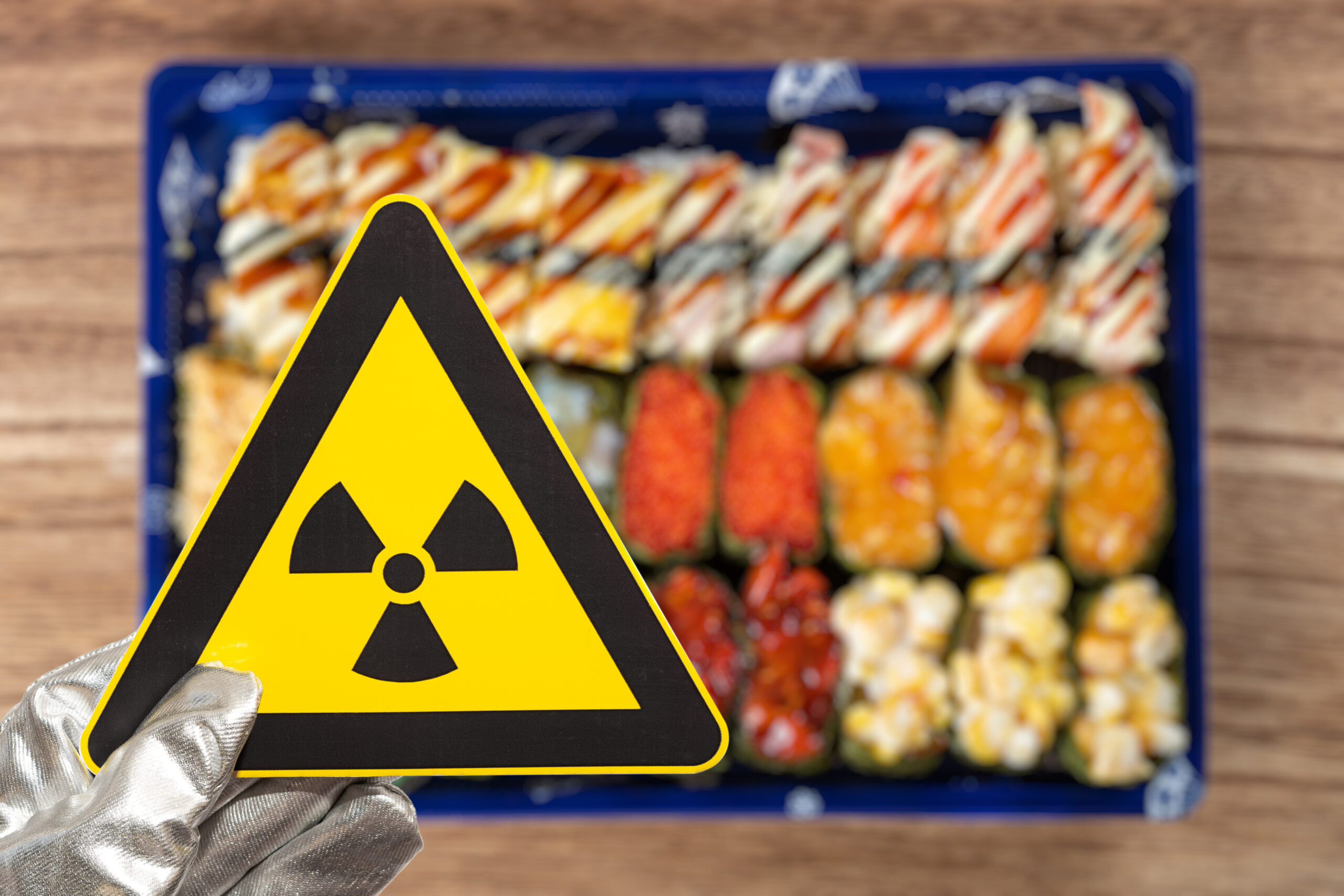
nuclear radiation warning sign above blurred sushi horizontal composition
SHARE

China’s imports of seafood from Japan have seen a significant decline, plummeting by 67% in the wake of renewed concerns about radiation levels from the Fukushima Daiichi nuclear disaster. This sharp drop in seafood imports reflects the growing apprehension among Chinese consumers and businesses regarding food safety and radiation contamination.

Contents
Dealing with FalloutFukushima Disaster1. Earthquake and Tsunami:2. Nuclear Reactor Failures:3. Evacuation and Contamination:4. Response and Recovery:5. Health and Environmental Impact:

Japan’s Fukushima Daiichi nuclear plant experienced a catastrophic meltdown following a massive earthquake and tsunami in 2011. This event resulted in the release of radioactive materials into the environment, causing widespread concerns about the safety of Japanese produce, particularly seafood, which is a significant export to China.
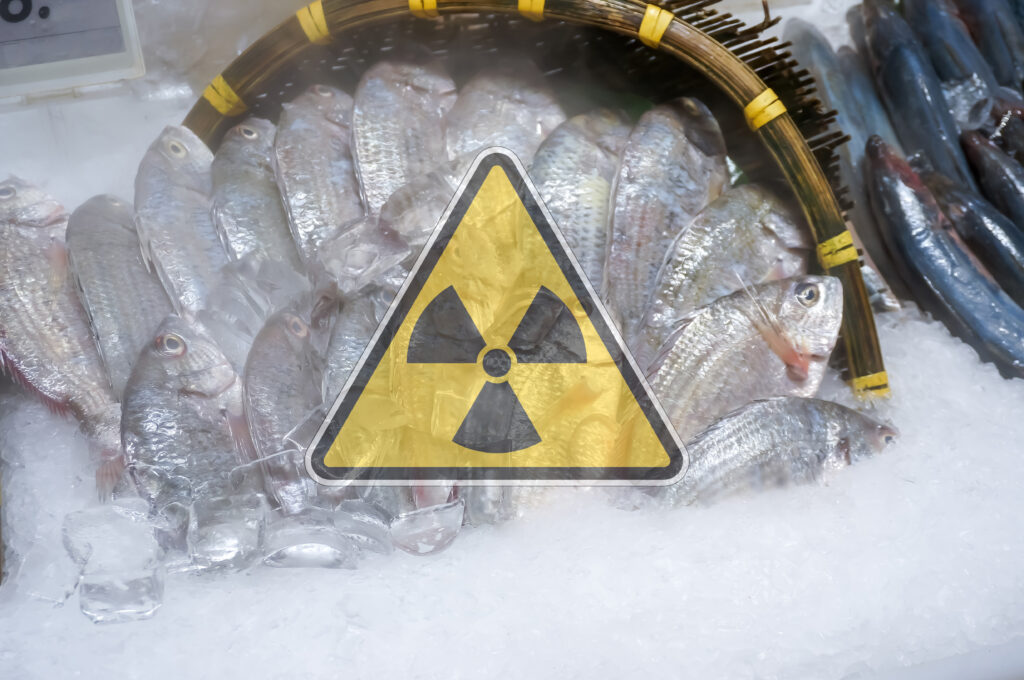
According to data from China’s General Administration of Customs, seafood imports from Japan amounted to 27,240 metric tons in 2022, worth approximately $292 million. However, in 2023, as of September, imports have fallen dramatically to just 8,996 metric tons, valued at approximately $102 million.

Chinese authorities have implemented stricter inspection and testing procedures for Japanese seafood imports, causing delays and increasing costs for businesses. Some Chinese importers have also reduced or halted orders of Japanese seafood altogether due to fears of radiation contamination.

The decline in seafood imports has been a blow to Japanese exporters who rely on the Chinese market. Japanese officials have continually emphasized the safety and rigorous testing of their seafood products, but they have struggled to dispel lingering concerns among Chinese consumers.

Dealing with Fallout

This drop in seafood imports from Japan also comes at a time when China is actively seeking alternative sources of seafood to meet growing demand. Countries like Norway, Russia, and Vietnam have benefitted from China’s reduced reliance on Japanese imports.

Industry experts say regaining Chinese consumers’ trust will be critical for Japan to recover its seafood export market. Japanese exporters have been actively promoting their safety measures and testing protocols to reassure foreign buyers. However, the road to recovery may be long and challenging, with concerns about radiation from Fukushima Daiichi continuing to cast a shadow over Japanese seafood exports to China.

As the international community closely monitors developments in Japan’s efforts to address the Fukushima nuclear disaster and ensure food safety, the future of Japanese seafood exports to China remains uncertain. Rebuilding trust and establishing comprehensive safety measures will be essential steps for Japan to regain its position as a reliable source of seafood for the Chinese market.

Fukushima Disaster

1. Earthquake and Tsunami:

  • On March 11, 2011, a massive magnitude 9.0-9.1 earthquake struck off the northeastern coast of Japan. This undersea megathrust earthquake was one of the most powerful ever recorded.
  • The earthquake generated a massive tsunami, with waves reaching heights of up to 40 meters (131 feet) in some areas.
  • The tsunami inundated the Fukushima Daiichi Nuclear Power Plant, disabling its power supply and cooling systems.

2. Nuclear Reactor Failures:

  • The loss of power and cooling systems at the Fukushima Daiichi plant resulted in a series of nuclear reactor failures.
  • Reactors 1, 2, and 3 experienced partial meltdowns, while reactors 4, 5, and 6 were shut down at the time of the earthquake and remained relatively stable.
  • Hydrogen gas explosions occurred in the buildings housing reactors 1, 2, and 3, damaging their structures and releasing radioactive materials into the atmosphere.

3. Evacuation and Contamination:

  • In the immediate aftermath of the disaster, the Japanese government ordered the evacuation of residents living within a 20-kilometer (12.4-mile) radius of the plant.
  • Radioactive releases from the damaged reactors led to contamination of the environment, including soil, water, and food supplies.
  • A significant area around the plant remained off-limits for years, displacing thousands of residents.

4. Response and Recovery:

  • Japanese authorities declared a state of emergency and initiated efforts to stabilize the damaged reactors.
  • Cooling was gradually restored to the reactors using water injection and cooling systems.
  • Over the years, a massive cleanup and decontamination effort took place in the affected area.
  • The long-term decommissioning of the Fukushima Daiichi plant remains an ongoing and complex process.

5. Health and Environmental Impact:

  • The release of radioactive materials led to concerns about the health of residents and workers involved in the cleanup.
  • While there were no immediate deaths due to radiation exposure, there have been debates and studies on potential long-term health effects.
  • The Fukushima disaster had significant environmental consequences, affecting marine life and ecosystems.

Also read: Where is China’s Defence Minister? Li Shangfu missing for two weeks, reports

South Africa’s Grey High School Blends Tradition, Culture and Sporting Greatness
Trade unions and the new economy: 3 African case studies show how workers are recasting their power in the digital age
Today’s BRICS+ Numbers
Trade between Saudi Arabia and Russia increased by 46% in 2022
Kremlin rejects speculation that Putin is ill and uses body doubles
TAGGED:Chinafukushima
Share This Article
Facebook Flipboard Pinterest Whatsapp Whatsapp LinkedIn Tumblr Reddit VKontakte Telegram Threads Email Copy Link Print
What do you think?
Love0
Sad0
Happy0
Surprise0
Shy0
Joy0
Cry0
Embarrass0
Sleepy0
Angry0
Dead0
Wink0
Miyashni Pillay
ByMiyashni Pillay
The resident ambassador for the fifth industrial revolution, Miyashni is BGTN's Jack of all trades, specialising in digital operations, social media and broadcast production. Having worked in various media houses across her young lifespan, Miyashni has a wealth of knowledge about the digital world. She is most proud of having the perfect GIF reaction to any situation and is a crafty wordsmith, laced with just the right amount of sass and finesse.
Previous Article Relations between India and Canada continue to worsen
Next Article Nipah virus outbreak: Here’s what we know so far
Leave a Comment

Leave a Reply Cancel reply

Your email address will not be published. Required fields are marked *

Stay Connected

FacebookLike
XFollow
PinterestPin
InstagramFollow
YoutubeSubscribe
TiktokFollow
LinkedInFollow
TumblrFollow
ThreadsFollow
BlueskyFollow
RSS FeedFollow
- Advertisement -
Ad imageAd image

Latest News

Cristiano Ronaldo and IShowSpeed
Video: Cristiano Ronaldo and IShowSpeed Unite for Electrifying Viking Clap Celebration
Sports
Kenya Establishes Official Framework for Digital Asset Regulation with the Virtual Asset Service Providers Bill, 2025
Africa International
Brazil–Japan Strengthen Dialogue Towards Economic and Trade Partnership
Brasil BRICS
Brazilian Foreign Minister Mauro Vieira Participates in G4 Foreign Ministers Meeting in New York
Brasil BRICS भारत (Bhārat)

You Might Also Like

Lots of argentine pesos bills mixed in one thousand and five hundred bills
International

Argentina’s economic crisis: Whoever wins presidential election is on a collision course with the IMF

October 3, 2023
International

More feared dead in Brasil’s floods

May 14, 2024
InternationalРоссия (Rossiya)

Discovery of a 6000-Year-Old Ceramic Pot Near Yuriev Monastery in Novgorod

July 6, 2025
BRICSInternational

Tehran hosts 19th Asia Co-operation Dialogue Foreign Ministers’ Meeting

June 26, 2024

Google Translate

Learn About BRICS

  • B – Brasil
  • R – Россия (Rossiya)
  • I – भारत (Bhārat)
  • C – 中国 (Zhōngguó)
  • S – South Africa
  • Saudi Vision 2030

Our World

  • Support Centre
  • Careers
BGTNBGTN
Follow US
© 2025 BRICS Global Television Network (Pty) Ltd. All Rights Reserved.
  • Privacy Policy
  • Terms and Conditions
Welcome Back!

Sign in to your account

Username or Email Address
Password

Lost your password?