By using this site, you agree to the Privacy Policy and Terms of Use.
Accept
BGTNBGTNBGTN
  • Home
  • BRICS
    • B – Brasil
    • R – Россия (Rossiya)
    • I – भारत (Bhārat)
    • C – 中国 (Zhōngguó)
    • S – South Africa
    • BRICS Plus
      • A – Argentina
      • E – مصر (Misr)
      • E – ኢትዮጵያ (Ityop’iya)
      • I – ایران (Irān)
      • S – السعودية (Al-Su’udiyya)
      • U – الإمارات العربية المتحدة
    • BRICS Partner States
      • A – الجزائر
      • B – Bolivia
      • B – Беларусь
      • C – Cuba
      • K – Қазақстан
      • I – Indonesia
      • M – Malaysia
      • N – Nigeria
      • T – ประเทศไทย
      • T – Türkiye
      • U – Uganda
      • U – Oʻzbekiston
      • V – Việt Nam
  • International
  • Sports
  • Features
    • Saudi Vision 2030
    • Business and Finance
    • Technology and Trends
    • Arts and Culture
    • Health and Lifestyle
    • Food and Agriculture
    • Travel and Exploration
    • BGTN Cares
  • Weather
Reading: Smuggled fossils seized in Yorkshire returned to Brazil
Share
Font ResizerAa
Font ResizerAa
BGTNBGTN
  • Brasil
  • Россия (Rossiya)
  • भारत (Bhārat)
  • 中国 (Zhōngguó)
  • South Africa
  • Argentina
  • مصر (Misr)
  • ኢትዮጵያ (Ityop’iya)
  • ایران (Irān)
  • السعودية (Al-Su’udiyya)
  • الإمارات العربية المتحدة
  • الجزائر
  • Bolivia
  • Беларусь
  • Cuba
  • Қазақстан
  • Indonesia
  • Malaysia
  • Nigeria
  • ประเทศไทย
  • Türkiye
  • Uganda
  • Oʻzbekiston
  • Việt Nam
  • Home
  • BRICS
    • B – Brasil
    • R – Россия (Rossiya)
    • I – भारत (Bhārat)
    • C – 中国 (Zhōngguó)
    • S – South Africa
    • BRICS Plus
    • BRICS Partner States
  • International
  • Sports
  • Features
    • Saudi Vision 2030
    • Business and Finance
    • Technology and Trends
    • Arts and Culture
    • Health and Lifestyle
    • Food and Agriculture
    • Travel and Exploration
    • BGTN Cares
  • Weather
Follow US
  • Terms and Conditions
  • Privacy Policy
© 2024 BRICS Global Television Network. Newshound Media. All Rights Reserved.
BGTN > BRICS > Brasil > Smuggled fossils seized in Yorkshire returned to Brazil
BRICSBrasilFeatures

Smuggled fossils seized in Yorkshire returned to Brazil

Miyashni Pillay
Last updated: June 6, 2024 3:03 pm
By Miyashni Pillay
5 Min Read
Share
Photo: Teesside Live
SHARE

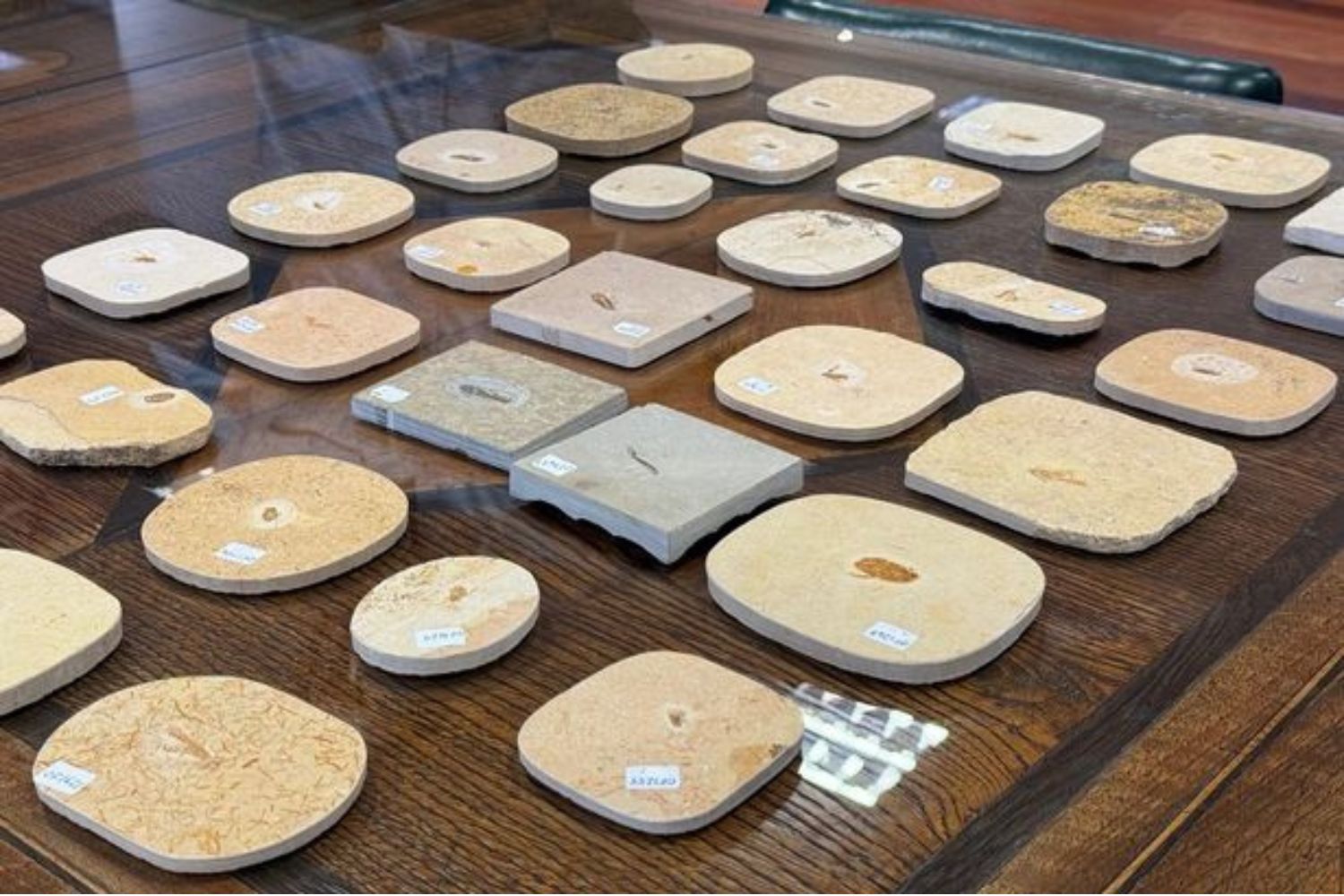
In a significant victory for the preservation of natural and cultural heritage, a collection of 33 smuggled insect fossils has been returned to Brazil. These fossils, valued at thousands of pounds, were seized in Scarborough, North Yorkshire, and originate from the Araripe Basin, a major fossil site in Brazil frequently targeted by the black market. The fossils were recovered from a trader who was unaware of their illicit origins. While the dealer will not face criminal charges, the return of these artefacts highlights the ongoing efforts to combat illegal fossil trafficking.

The operation was spearheaded by North Yorkshire Police’s force intelligence bureau, a unit typically involved in tracking down and extraditing fugitives from abroad. The investigation was initiated after Brazilian authorities alerted Interpol that the fossils were being sold in Scarborough. Upon seizure, the fossils were authenticated by experts at a Brazilian palaeontological museum, confirming their origins. PC Bradley Hay, who played a crucial role in delivering the fossils to Brazilian officials in London, expressed his satisfaction with the successful operation.

“Using international law enforcement networks to return these unique and irreplaceable artefacts to their rightful place is immensely gratifying,” Hay stated. Once flown back to Brazil, the fossils are set to be displayed in a museum, offering the public a chance to appreciate these ancient specimens. In a similar operation, the same team of officers also facilitated the return of a consignment of ancient vases, gold jewellery, bowls, and prehistoric axe heads to Cyprus. These items had been illegally removed from the country and were being offered for sale in North Yorkshire.

These successful repatriations underscore the importance of international cooperation in preserving and protecting cultural and natural heritage from illegal trade. Fossil smuggling is a lucrative yet illicit trade that involves the illegal excavation, transportation, and sale of fossils, often with significant cultural, scientific, and environmental ramifications.

Here’s some background and additional information on fossil smuggling:

Fossil smuggling occurs due to various motivations, including financial gain, collection for personal or institutional purposes, and cultural heritage exploitation. Rare or scientifically significant fossils can fetch high prices on the black market, driving individuals to engage in illegal excavation and trade. Fossil smuggling targets areas rich in fossil deposits, such as archaeological sites, fossil beds, and geological formations.  Regions with lax regulations or inadequate enforcement measures are particularly vulnerable to exploitation by smugglers. Smugglers employ a range of clandestine methods to acquire and transport fossils illicitly.

This includes unauthorised excavation, theft from museums or research institutions, fraudulent documentation to conceal the origin of fossils, and smuggling across international borders. Fossil smuggling has numerous negative impacts on scientific research, cultural heritage, and the environment. It disrupts valuable geological and palaeontological sites, depriving scientists of crucial data and insights into Earth’s history and evolution. Additionally, looting of cultural artifacts and fossils erases valuable cultural heritage and disrupts the cultural identity of indigenous communities.

Many countries have laws and regulations in place to protect fossils and archaeological artifacts. International agreements, such as the UNESCO Convention on the Means of Prohibiting and Preventing the Illicit Import, Export, and Transfer of Ownership of Cultural Property (1970), aim to combat illicit trafficking of cultural heritage items, including fossils. Law enforcement agencies, customs authorities, and international organisations collaborate to combat fossil smuggling through enhanced surveillance, border controls, and investigation of illicit trafficking networks. Interpol and other international law enforcement agencies play a crucial role in coordinating efforts to combat transnational fossil smuggling.

Raising public awareness about the importance of preserving fossils and cultural heritage, as well as the consequences of illegal fossil trafficking, is essential in combating smuggling activities. Education initiatives, outreach programs, and community engagement efforts can help foster a sense of stewardship and responsibility towards protecting Earth’s natural and cultural treasures. Overall, addressing fossil smuggling requires a multi-faceted approach involving legal measures, enforcement efforts, international cooperation, and public engagement to safeguard Earth’s geological and palaeontological heritage for future generations.

ALSO READ: An archaeological breakthrough in China

Sri Lanka confirms its desire to join BRICS
Economists forecast a steady 5% growth for China in the coming decade
Extreme heat in India triggers novel insurance payout for 50,000 women
BRICS Nations establish Space Council
China’s Ministry of Human Resources and Social Security recognises 19 new occupations
TAGGED:ancient specimensAraripe Basinarchaeological artifactsbrazilBrazilian palaeontological museumfossil traffickingfossilsinsect fossilsNorth Yorkshire Police's forceSmuggled
Share This Article
Facebook Flipboard Pinterest Whatsapp Whatsapp LinkedIn Tumblr Reddit VKontakte Telegram Threads Email Copy Link Print
What do you think?
Love0
Sad0
Happy0
Surprise0
Shy0
Joy0
Cry0
Embarrass0
Sleepy0
Angry0
Dead0
Wink0
Miyashni Pillay
ByMiyashni Pillay
The resident ambassador for the fifth industrial revolution, Miyashni is BGTN's Jack of all trades, specialising in digital operations, social media and broadcast production. Having worked in various media houses across her young lifespan, Miyashni has a wealth of knowledge about the digital world. She is most proud of having the perfect GIF reaction to any situation and is a crafty wordsmith, laced with just the right amount of sass and finesse.
Previous Article Celebrating World Food Safety Day: ensuring safe and nutritious food for all
Next Article Saudi Arabia joins BIS and China-led central bank digital currency project
Leave a Comment

Leave a Reply Cancel reply

Your email address will not be published. Required fields are marked *

Stay Connected

FacebookLike
XFollow
PinterestPin
InstagramFollow
YoutubeSubscribe
TiktokFollow
LinkedInFollow
TumblrFollow
ThreadsFollow
BlueskyFollow
RSS FeedFollow
- Advertisement -
Ad imageAd image

Latest News

China and Africa Launch Year of People-to-People Exchanges at AU Headquarters
Arts and Culture Features
A New Leader in the Electric Vehicle Race
Business and Finance Features
China’s Official Manufacturing PMI Contracts in January, Diverging from Private Survey Amid Mixed Economic Signals
Business and Finance Features
India’s Economic Momentum Endures, Strong Growth Forecasts, Benign Inflation Anchor Policy in Early 2026
Business and Finance Features

You Might Also Like

BRICS PlusFeaturesالسعودية (Al-Su'udiyya)مصر (Misr)

Saudi aviation to showcase achievements and forge stronger ties at Egypt Airshow 2024

July 12, 2025
BrasilBRICS

Brazil Central Bank Maintains Plan for 100 Basis-Point Interest Rate Hike

February 18, 2025
FeaturesShows

Inside Interview With Mthakazi Leader Mqondisi Moyo

July 16, 2025
BRICSTechnology and Trends中国 (Zhōngguó)

China’s solar industry at a crucial crossroads

July 12, 2025

Google Translate

Learn About BRICS

  • B – Brasil
  • R – Россия (Rossiya)
  • I – भारत (Bhārat)
  • C – 中国 (Zhōngguó)
  • S – South Africa
  • Saudi Vision 2030

Our World

  • Support Centre
  • Careers
BGTNBGTN
Follow US
© 2025 BRICS Global Television Network (Pty) Ltd. All Rights Reserved.
  • Privacy Policy
  • Terms and Conditions
Welcome Back!

Sign in to your account

Username or Email Address
Password

Lost your password?