By using this site, you agree to the Privacy Policy and Terms of Use.
Accept
BGTNBGTNBGTN
  • Home
  • BRICS
    • B – Brasil
    • R – Россия (Rossiya)
    • I – भारत (Bhārat)
    • C – 中国 (Zhōngguó)
    • S – South Africa
    • BRICS Plus
      • A – Argentina
      • E – مصر (Misr)
      • E – ኢትዮጵያ (Ityop’iya)
      • I – ایران (Irān)
      • S – السعودية (Al-Su’udiyya)
      • U – الإمارات العربية المتحدة
    • BRICS Partner States
      • A – الجزائر
      • B – Bolivia
      • B – Беларусь
      • C – Cuba
      • K – Қазақстан
      • I – Indonesia
      • M – Malaysia
      • N – Nigeria
      • T – ประเทศไทย
      • T – Türkiye
      • U – Uganda
      • U – Oʻzbekiston
      • V – Việt Nam
  • International
  • Sports
  • Features
    • Saudi Vision 2030
    • Business and Finance
    • Technology and Trends
    • Arts and Culture
    • Health and Lifestyle
    • Food and Agriculture
    • Travel and Exploration
    • BGTN Cares
  • Weather
Reading: Mysterious new snake species discovered in Saudi Arabia
Share
Font ResizerAa
Font ResizerAa
BGTNBGTN
  • Brasil
  • Россия (Rossiya)
  • भारत (Bhārat)
  • 中国 (Zhōngguó)
  • South Africa
  • Argentina
  • مصر (Misr)
  • ኢትዮጵያ (Ityop’iya)
  • ایران (Irān)
  • السعودية (Al-Su’udiyya)
  • الإمارات العربية المتحدة
  • الجزائر
  • Bolivia
  • Беларусь
  • Cuba
  • Қазақстан
  • Indonesia
  • Malaysia
  • Nigeria
  • ประเทศไทย
  • Türkiye
  • Uganda
  • Oʻzbekiston
  • Việt Nam
  • Home
  • BRICS
    • B – Brasil
    • R – Россия (Rossiya)
    • I – भारत (Bhārat)
    • C – 中国 (Zhōngguó)
    • S – South Africa
    • BRICS Plus
    • BRICS Partner States
  • International
  • Sports
  • Features
    • Saudi Vision 2030
    • Business and Finance
    • Technology and Trends
    • Arts and Culture
    • Health and Lifestyle
    • Food and Agriculture
    • Travel and Exploration
    • BGTN Cares
  • Weather
Follow US
  • Terms and Conditions
  • Privacy Policy
© 2024 BRICS Global Television Network. Newshound Media. All Rights Reserved.
BGTN > BRICS Plus > السعودية (Al-Su'udiyya) > Mysterious new snake species discovered in Saudi Arabia
BRICS Plusالسعودية (Al-Su'udiyya)

Mysterious new snake species discovered in Saudi Arabia

Lebo Masike
Last updated: June 18, 2024 12:22 pm
By Lebo Masike
6 Min Read
Share
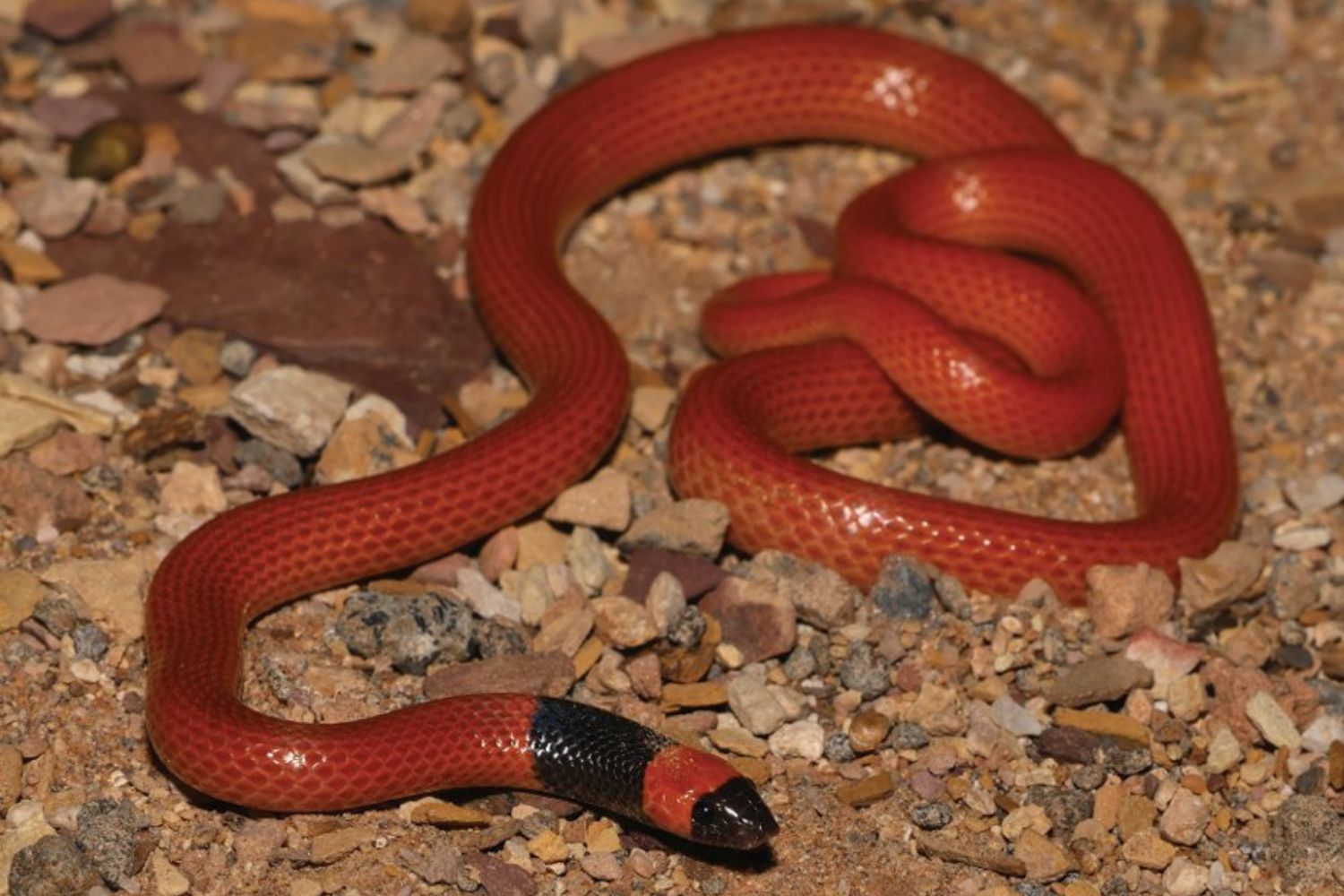
Photo: X, @plazi_species
SHARE

Researchers have discovered a new species of snake in the Hejaz region of Saudi Arabia. Named Rhynchocalamus hejazicus, the small snake is marked by its black collar and reddish body colouration, which distinguishes it from its close relatives. This remarkable find highlights the rich biodiversity of the region and underscores the importance of continued exploration and conservation efforts.

The discovery has been met with enthusiasm from the scientific community, offering new insights into the region’s unique ecosystem and the evolutionary pathways of reptiles in this part of the world. The Hejaz region, is a biodiversity hotspot located in the western part of Saudi Arabia, is known for its diverse landscapes, ranging from coastal plains along the Red Sea to mountainous areas and desert expanses. This variety of habitats supports a wide range of flora and fauna, some of which are endemic to the region.

The discovery of a new snake species in this area underscores the Hejaz’s status as a biodiversity hotspot. The new snake species was discovered by a team of researchers from King Saud University, in collaboration with international herpetologists. The discovery was made during a comprehensive survey of the region’s reptilian fauna, aimed at documenting and studying the diversity of snakes in the Hejaz.The team found the snake in a remote, rocky area of the Hejaz mountains, an environment that provides the perfect habitat for reptiles.

The snake’s distinct physical characteristics and genetic makeup confirmed that it was a previously undocumented species. The physical characteristics of the species include that Hejazophis saudiensis is a small to medium-sized snake, measuring approximately 70-90 cm in length. It has a slender body, with a distinctive pattern of scales that differentiate it from other known species in the region. The snake’s colouration is primarily a mix of sandy beige and light brown, allowing it to blend seamlessly into its rocky surroundings.

One of the most striking features of Hejazophis saudiensis is its uniquely shaped head and elongated, sharply pointed snout, which is believed to aid in burrowing and navigating through the rocky terrain. Its eyes are relatively large, providing excellent vision for detecting prey and avoiding predators. The new species is primarily nocturnal, emerging from its rocky hiding places at night to hunt for food. Its diet consists mainly of small rodents, lizards, and insects, making it an important predator in the local ecosystem.

The snake’s behaviour and hunting techniques are currently being studied to gain a deeper understanding of its ecological role and adaptability. Genetic analysis conducted on Hejazophis saudiensis revealed significant differences from other known snake species in the region, confirming its status as a new species. The genetic data also provided insights into the evolutionary history of snakes in the Hejaz, suggesting that this new species may have diverged from a common ancestor millions of years ago.

This discovery not only adds a new member to the family of snakes in Saudi Arabia but also contributes to the broader understanding of reptilian evolution in arid and semi-arid environments. The genetic information gathered from Hejazophis saudiensis could help scientists trace the migratory patterns and adaptive strategies of snakes in the Arabian Peninsula. The implications on conversation vary with the discovery of Hejazophis saudiensis highlights the need for ongoing conservation efforts in the Hejaz region.

The unique biodiversity of this area is under threat from various factors, including habitat destruction, climate change, and human encroachment. Protecting the habitats where this new species and other endemic wildlife live is crucial for preserving the region’s ecological integrity. Researchers are advocating for the establishment of protected areas and the implementation of conservation programs to safeguard the Hejaz’s rich biodiversity. Public awareness and education campaigns are also essential to promote the importance of conservation and the role that local communities can play in protecting their natural heritage.

The discovery of Hejazophis saudiensis in the Hejaz region of Saudi Arabia is a testament to the rich and largely unexplored biodiversity of the area. This new species adds to the growing list of unique fauna in the region and provides valuable insights into the evolutionary history of reptiles in the Arabian Peninsula. As scientists continue to study this remarkable snake, it serves as a reminder of the importance of preserving our natural world and the endless wonders it holds. The Hejaz region, with its diverse landscapes and unique species, remains a critical area for biodiversity research and conservation efforts, promising many more discoveries in the future.

ALSO READ: BRICS Nature Exhibition and Festival opens in Russia showcasing biodiversity


Iran’s near Weapons-Grade Uranium stockpile increases
Unprecedented storms cause catastrophic flooding in Dubai and Oman
Iran sets sights on regional space dominance in ambitious ten-year plan
The Diriyah Dates Festival: A celebration of culture, history and agriculture
Saudi Arabia to host Sudan peace talks within three weeks
TAGGED:adaptabilitybiodiversityconservationecosystemgenetic makeupHejaz mountainsHejazophis saudiensisherpetologistsKing Saud UniversityRhynchocalamus hejazicusSaudi arabiasnake species
Share This Article
Facebook Flipboard Pinterest Whatsapp Whatsapp LinkedIn Tumblr Reddit VKontakte Telegram Threads Email Copy Link Print
What do you think?
Love0
Sad0
Happy0
Surprise0
Shy0
Joy0
Cry0
Embarrass0
Sleepy0
Angry0
Dead0
Wink0
Lebo Masike
ByLebo Masike
Lebo is a seasoned broadcaster and producer, passionate about engaging and relatable storytelling. Lebo is dedicated to bringing meaningful stories to the forefront of the media landscape. She relies on caffeine to get her through the day because sarcasm needs to stay hydrated. Pet peeves: Litter bugs.
Previous Article Parintins Festival: Celebrating Amazonian culture with colourful splendour
Next Article An anticipated showdown in Saudi Arabia
Leave a Comment

Leave a Reply Cancel reply

Your email address will not be published. Required fields are marked *

Stay Connected

FacebookLike
XFollow
PinterestPin
InstagramFollow
YoutubeSubscribe
TiktokFollow
LinkedInFollow
TumblrFollow
ThreadsFollow
BlueskyFollow
RSS FeedFollow
- Advertisement -
Ad imageAd image

Latest News

China and Africa Launch Year of People-to-People Exchanges at AU Headquarters
Arts and Culture Features
A New Leader in the Electric Vehicle Race
Business and Finance Features
China’s Official Manufacturing PMI Contracts in January, Diverging from Private Survey Amid Mixed Economic Signals
Business and Finance Features
India’s Economic Momentum Endures, Strong Growth Forecasts, Benign Inflation Anchor Policy in Early 2026
Business and Finance Features

You Might Also Like

South Africaالسعودية (Al-Su'udiyya)

Saudi Arabia and South Africa Forge $25 Million Trade Agreement

July 6, 2025
BRICS PlusSportsኢትዮጵያ (Ityop'iya)

Ethiopia bids to host 2029 Africa Cup of Nations (AFCON)

February 9, 2025
Almonds in Saudi
International

PICTURES: Habibi, Can I peel your almonds? Saudi’s winter nutty delight

January 30, 2024
الإمارات العربية المتحدةBRICS Plusمصر (Misr)

Egypt and UAE aim to boost collaboration in electricity and renewable energy

August 15, 2024

Google Translate

Learn About BRICS

  • B – Brasil
  • R – Россия (Rossiya)
  • I – भारत (Bhārat)
  • C – 中国 (Zhōngguó)
  • S – South Africa
  • Saudi Vision 2030

Our World

  • Support Centre
  • Careers
BGTNBGTN
Follow US
© 2025 BRICS Global Television Network (Pty) Ltd. All Rights Reserved.
  • Privacy Policy
  • Terms and Conditions
Welcome Back!

Sign in to your account

Username or Email Address
Password

Lost your password?