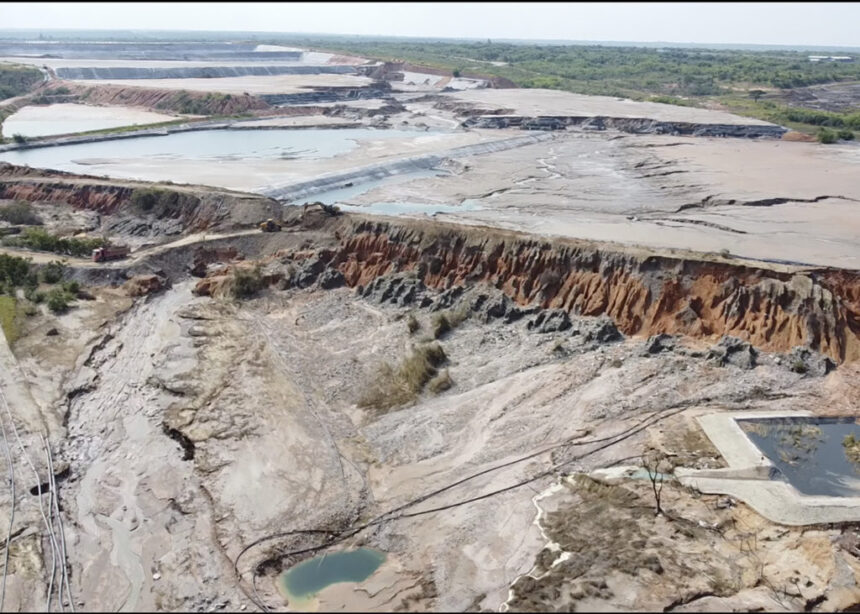
Lusaka / Kitwe, February–September 2025. A tailings-dam failure at the Sino-Metals Leach Zambia copper processing site near Kitwe in February 2025 released toxic mining waste into waterways that feed the Kafue River basin. The incident prompted emergency response measures, independent assessments that differ sharply from company and government figures and international concern over public health and environmental damage. AP News
Contents
Key facts (up front)What happened (timeline and response)Environmental and health findings reported so farScale: why estimates differSocial and legal falloutInternational and independent reactionCurrent status (as reported)Why this mattersSources / accreditation (major publicly verifiable reporting)
Key facts (up front)
- Date of failure: 18 February 2025 (reported). AP News
- Company: Sino-Metals Leach Zambia Ltd., a subsidiary of China Nonferrous Metal Mining Group (reported). AP News
- Location: Mine facility near Kitwe; pollutants flowed into tributaries of the Kafue River, a major waterway used by millions across Zambia. AP News
- Immediate impacts reported: fish kills up to 100 km downstream; temporary shutdown of Kitwe’s water supply (Kitwe ≈ 700,000 residents); visible ecological damage along the river. AP News
- Official / company estimate: Zambian government and Sino-Metals initially reported a much smaller release (figures reported by officials/company). Business & Human Rights Resource Centre
- Independent assessment: a firm contracted to assess the damage (Drizit) reported a far larger release reporting as much as 1.5 million tons of toxic material and said hundreds of thousands of cubic metres of contaminants remained in the environment. Bloomberg and AP have reported on this discrepancy. Bloomberg.com
What happened (timeline and response)
- Video and field reporting show a breach of the tailings containment structure in mid-February; contaminated waste moved downstream into watercourses feeding the Kafue River. Authorities responded with emergency neutralization measures (e.g., Zambian Air Force dispersing lime) and temporary water supply shutdowns in affected towns. AP News
- Sino-Metals issued apologies and committed to assist with clean-up; the company later disputed some independent findings and terminated the contract of the South African firm (Drizit) that had been assessing environmental damage, saying the firm had breached its contract. Drizit and civil society groups dispute that termination. AP News

Environmental and health findings reported so far
- Independent sampling reported by Drizit and summarised by news outlets found dangerous levels of heavy metals and pollutants in water and sediments, including arsenic, lead, chromium, cadmium, copper, zinc and traces of cyanide all of which pose long-term health and ecological risks if not fully remediated. Drizit said thousands of samples showed contamination that could cause organ damage, birth defects and cancer risks over time. AP News
- The U.S. Embassy in Zambia issued an alert and ordered U.S. government personnel out of the affected region, citing new information about hazardous and carcinogenic substances naming arsenic, cyanide and uranium amongst contaminants of concern and advising U.S. citizens in the area to take precautions. AP News
Scale: why estimates differ
- Different parties have reported dramatically different spill volumes. Official/company statements gave a much smaller figure; the independent assessment contracted by the company (Drizit) reported up to 1.5 million tons released (reports describe this as roughly 30 times larger than the company/government figures). Independent observers and multiple international news outlets have noted the discrepancy and called for further independent verification. Bloomberg.com
Social and legal fallout
- Local communities and civil society groups have reported widespread damage to livelihoods (fisheries, agriculture) and have pressed for compensation and comprehensive clean-up. Reporting shows the company made interim payments to affected households, and there are reports that some affected people were asked to sign “release” agreements as a condition of receiving small compensation payments. Legal claims and compensation demands have been raised on behalf of victims. Inside Climate News
International and independent reaction
- Independent reporting and environmental groups have called for transparent, independent investigations and long-term monitoring. Several international outlets (including Bloomberg, AP and specialist environmental outlets) have covered the incident and the unanswered questions about the spill’s full scale and long-term impacts. The U.S. Embassy action and updates from other foreign missions increased international attention to the health and environmental risks. Bloomberg.com
Current status (as reported)
- The Zambian government has said emergency response measures were implemented and that conditions were stabilising; Sino-Metals says it is supporting clean-up and compensation measures. Independent experts and civil society groups say further independent study, transparent data release, and a long-term remediation plan are still needed to protect public health and the environment. Lawsuits and compensation demands on behalf of affected communities are ongoing. AP News
Why this matters
- The Kafue River basin supplies water, food and livelihoods to millions of people in Zambia. Large releases of acidic tailings and heavy metals can persist in the environment for years, contaminate groundwater, damage agriculture, and produce health risks that can take generations to resolve. The scale discrepancy between company/government figures and independent assessments is central to the ongoing debate over the true impact and the adequacy of the response. AP News
Sources / accreditation (major publicly verifiable reporting)
- Associated Press — “A Chinese mining company is accused of covering up the extent of a major toxic spill in Zambia.” AP News
- AP — “6 months after toxic mine spill in northern Zambia, US Embassy orders personnel out of the area.” AP News
- Bloomberg — “Zambia mine catastrophe could be 30 times worse than reported” (independent assessment cited — ~1.5 million tons). Bloomberg.com
- InsideClimate News — reporting on compensation, villagers asked to sign releases, and ongoing demands for restitution. Inside Climate News
- Chemistry World / specialist environmental coverage — technical reporting on toxic wastewater threats and environmental risks. Chemistry World