By using this site, you agree to the Privacy Policy and Terms of Use.
Accept
BGTNBGTNBGTN
  • Home
  • TV Channels
    • 1 – Global TV
    • 2 – Mining TV
    • 3 – Sports TV
  • BRICS
    • B – Brasil
    • R – Россия (Rossiya)
    • I – भारत (Bhārat)
    • C – 中国 (Zhōngguó)
    • S – South Africa
    • BRICS Plus
      • A – Argentina
      • E – مصر (Misr)
      • E – ኢትዮጵያ (Ityop’iya)
      • I – ایران (Irān)
      • S – السعودية (Al-Su’udiyya)
      • U – الإمارات العربية المتحدة
    • BRICS Partner States
      • A – الجزائر
      • B – Bolivia
      • B – Беларусь
      • C – Cuba
      • K – Қазақстан
      • I – Indonesia
      • M – Malaysia
      • N – Nigeria
      • T – ประเทศไทย
      • T – Türkiye
      • U – Uganda
      • U – Oʻzbekiston
      • V – Việt Nam
  • International
  • Sports
  • Features
    • Hearts and Plates
    • Saudi Vision 2030
    • Business and Finance
    • Technology and Trends
    • Arts and Culture
    • Health and Lifestyle
    • Food and Agriculture
    • Travel and Exploration
    • BGTN Cares
  • Weather
Reading: ‘Politically neutral’ Russian athletes can now enter the Olympics – but don’t expect many to compete
Share
Font ResizerAa
Font ResizerAa
BGTNBGTN
  • Brasil
  • Россия (Rossiya)
  • भारत (Bhārat)
  • 中国 (Zhōngguó)
  • South Africa
  • Argentina
  • مصر (Misr)
  • ኢትዮጵያ (Ityop’iya)
  • ایران (Irān)
  • السعودية (Al-Su’udiyya)
  • الإمارات العربية المتحدة
  • الجزائر
  • Bolivia
  • Беларусь
  • Cuba
  • Қазақстан
  • Indonesia
  • Malaysia
  • Nigeria
  • ประเทศไทย
  • Türkiye
  • Uganda
  • Oʻzbekiston
  • Việt Nam
  • Home
  • TV Channels
    • 1 – Global TV
    • 2 – Mining TV
    • 3 – Sports TV
  • BRICS
    • B – Brasil
    • R – Россия (Rossiya)
    • I – भारत (Bhārat)
    • C – 中国 (Zhōngguó)
    • S – South Africa
    • BRICS Plus
    • BRICS Partner States
  • International
  • Sports
  • Features
    • Hearts and Plates
    • Saudi Vision 2030
    • Business and Finance
    • Technology and Trends
    • Arts and Culture
    • Health and Lifestyle
    • Food and Agriculture
    • Travel and Exploration
    • BGTN Cares
  • Weather
Follow US
  • Terms and Conditions
  • Privacy Policy
© 2024 BRICS Global Television Network. Newshound Media. All Rights Reserved.
BGTN > International > ‘Politically neutral’ Russian athletes can now enter the Olympics – but don’t expect many to compete
International

‘Politically neutral’ Russian athletes can now enter the Olympics – but don’t expect many to compete

The Conversation
Last updated: December 21, 2023 2:24 pm
By The Conversation
7 Min Read
Share
RUSSIA OLYMPICS
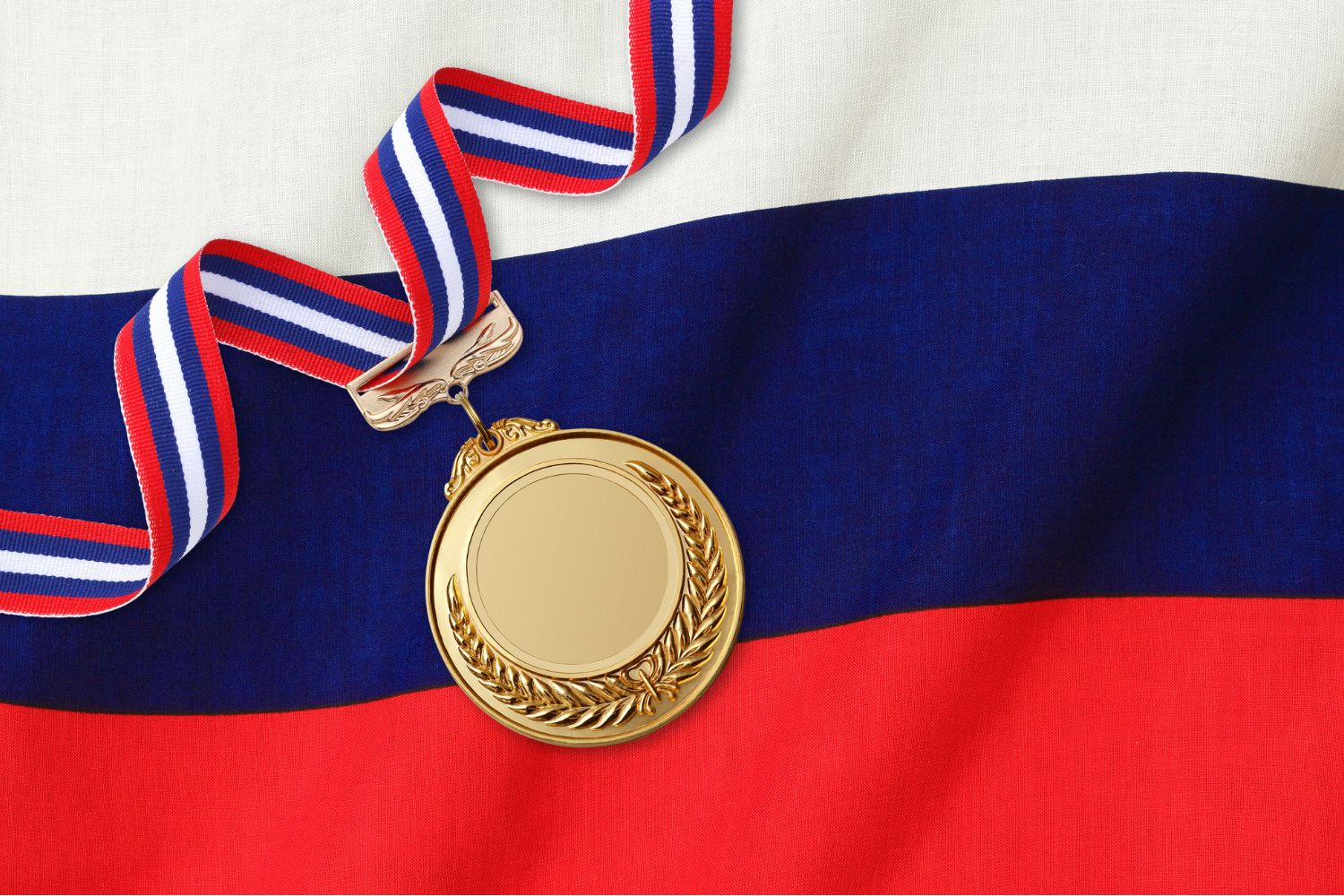
Photo: iStock.
SHARE

Keith Rathbone, Macquarie University

Contents
Athletes caught in the middleDifferent, inconsistent approachesWhat can Ukraine’s allies do?

Earlier this month, the International Olympic Committee (IOC) announced Russian and Belarussian athletes will be able to compete in the 2024 Paris Olympics if they are politically neutral. The decision from the committee’s executive board reversed an earlier ban.

The IOC made this change even though the Russian National Olympic Committee remains suspended from competition for its violation of “the territorial integrity of the National Olympic Committee of Ukraine”. For its part, Russia rejects the decision.

The committee’s decision has enraged Western leaders, particularly those in Ukraine. Ukrainian Foreign Minister Dmytro Kuleba accused the committee of effectively giving “[…] Russia the green light to weaponize the Olympics”.

While it might seem like a good idea not to hold individual athletes responsible for the decisions of governments, the decision is more complicated that it appears.

ALSO READ: Russian lawmakers set presidential vote for March 17, 2024, clearing a path for Putin’s 5th term

Athletes caught in the middle

More than 30 Western nations, including Australia, have previously called for a complete ban on Russian participation in the Games.

IOC President Thomas Bach defended his decision by arguing “individual athletes cannot be punished for the acts of their governments”.

The ruling came with strict conditions. Athletes must not be open supporters of the Russian invasion and they cannot be affiliated with Russian or Belarussian military or security services.

They cannot compete under their home country’s flag, or with national emblems or anthems.

The committee estimates that only 11 athletes – six Russians and five Belarussians – will qualify under these regulations.

The committee has been slowly working towards this policy since the spring of 2023.

The call may seem reasonable. After all, why should Russian and Belarussian athletes, especially those not supportive of the invasion, suffer from the actions of their government?

But it’s not quite that cut and dry.

ALSO READ:

Different, inconsistent approaches

The rule change seems inconsistent. As the committee continues to ban the participation of Russian teams, not all neutral Russian and Belarussian athletes will be able to participate.

Sporting federations can also continue to ban Russian and Belarussian athletes from competition and therefore qualification for the Games. World Athletics President Seb Coe confirmed that the organisation will continue to ban them.

By contrast, World Taekwondo and World Judo have both allowed Russian and Belarussian athletes to compete in qualification.

In September, the International Paralympic Committee also decided neutral athletes can compete.

What can Ukraine’s allies do?

With the Paris 2024 games only seven months away, the IOC’s decision seems final. But frustrated Western leaders have other options.

In the past year, Western officials have threatened to boycott the Olympics if Russian and Belarussian athletes competed.

There is a long history of politically motivated Olympic boycotts and threatened boycotts. In 1980, the United States and 66 other countries boycotted the Moscow games in response to the Soviet Invasion of Afghanistan. Eight other countries, including Australia, competed under an Olympic flag to signal their opposition to the invasion.

In 1984, in response, the Soviet Union and its allies boycotted the summer Olympics in Los Angeles.

A boycott of the Paris Olympics would be devastating to the organisers, but it remains very unlikely. France is a Western nation and a strong supporter of Ukraine. President Emmanuel Macron recently encouraged the European Union to continue supporting the beleaguered nation.

As a more palatable approach, Western leaders could ban athletes from Russia and Belarus from competing in international athletic competitions in Western Europe in the run-up to the games. This would likely make it impossible for any athletes from those countries to qualify for spots in Paris.

As historian Heather Dichter has shown, travel bans have a long history in the Olympics.

In the 1960s, there was a NATO-wide ban on East German athletes travelling to compete in events in Western European countries. This effectively barred them from participation in several major sporting competitions and from qualifying for the Olympics.

Some Western leaders have already attempted to use this strategy against Russian and Belarussian athletes. Polish President Andrzej Duda refused to issue visas to Russian and Belarussian fencers for a qualification competition in June. The International Fencing Federation moved the matches to Bulgaria where the neutral athletes could compete.

As a more drastic step, French officials could simply ban all Russian and Belarussian athletes from travelling to Paris during the Olympics. The committee would likely have no recourse at this late date.

It would would align with the approach of some other EU member nations that ban Russian tourism and travel.

However, the French National Olympic Committee would likely oppose such a move. They might worry that it threatens the viability of their likely future 2030 Winter Olympic Games.

At a time when so much international attention has turned to the Israel/Hamas war, will leaders, however frustrated, do anything in response?

Only time will tell, but one thing’s for sure: whatever happens will be carefully calculated to account for the vast array of geopolitical moving parts.

Keith Rathbone, Senior Lecturer, Modern European History and Sports History, Macquarie University

*This article is republished from The Conversation under a Creative Commons license. Read the original article.

In an increasingly digital world, the potential for espionage has expanded beyond traditional methods
Drought of 2023 indicates disastrous future for the Amazon and its people
President Donald Trump’s State Visit to the United Kingdom
Day-long extension of Israel-Hamas truce agreed upon
Survey Finds China’s SMEs Still Struggling, with Liquidity Tightening
TAGGED:Olympicsrussia
Share This Article
Facebook Flipboard Pinterest Whatsapp Whatsapp LinkedIn Tumblr Reddit VKontakte Telegram Threads Email Copy Link Print
What do you think?
Love0
Sad0
Happy0
Surprise0
Shy0
Joy0
Cry0
Embarrass0
Sleepy0
Angry0
Dead0
Wink0
Previous Article Chinese green beans and cashews Christmas 2023: Chinese green beans and cashews, a side dish that will complement any main
Next Article BGTN Joins Hands With Homeless Talk Newspaper
1 Comment
  • Pingback: US accuses Russia of using North Korean missiles on Ukraine

Leave a Reply Cancel reply

Your email address will not be published. Required fields are marked *

Stay Connected

FacebookLike
XFollow
PinterestPin
InstagramFollow
YoutubeSubscribe
TiktokFollow
LinkedInFollow
TumblrFollow
ThreadsFollow
BlueskyFollow
RSS FeedFollow
- Advertisement -
Ad imageAd image

Latest News

Cristiano Ronaldo and IShowSpeed
Video: Cristiano Ronaldo and IShowSpeed Unite for Electrifying Viking Clap Celebration
Sports
Kenya Establishes Official Framework for Digital Asset Regulation with the Virtual Asset Service Providers Bill, 2025
Africa International
Brazil–Japan Strengthen Dialogue Towards Economic and Trade Partnership
Brasil BRICS
Brazilian Foreign Minister Mauro Vieira Participates in G4 Foreign Ministers Meeting in New York
Brasil BRICS भारत (Bhārat)

You Might Also Like

Stones are thrown form a truck in Kipushi, Democratic Republic of the Congo (DRC), on December 18, 2023, following Ensemble pour la Republique's (Together for the Republic) presidential candidate Moise Katumbi final campaign rally ahead of the upcoming elections. (Photo by Patrick Meinhardt / AFP)
International

Five things to know about DR Congo

December 19, 2023
Israel - Gaza war
International

Israel-Palestinian war, there’s a big difference between a humanitarian pause and a ceasefire

November 9, 2023
People walk past a COP28 sign at the Expo City during the United Nations climate summit in Dubai on December 5, 2023.
International

Got to have faith: Religion finds its moment at COP28

December 6, 2023
International

Under-reported: Senate Blocks Release of Jeffrey Epstein Documents

September 14, 2025

Our Partners

Ad imageAd image

Learn About BRICS

  • B – Brasil
  • R – Россия (Rossiya)
  • I – भारत (Bhārat)
  • C – 中国 (Zhōngguó)
  • S – South Africa
  • Saudi Vision 2030

Our World

  • A message from the Founder & CEO
  • Support Centre
  • Careers

Google Translate

BGTNBGTN
Follow US
© 2025 BRICS Global Television Network (Pty) Ltd. All Rights Reserved. Independent Media Platform. Unauthorized ownership claims or affiliations are unlawful.
  • Privacy Policy
  • Terms and Conditions
Welcome Back!

Sign in to your account

Username or Email Address
Password

Lost your password?