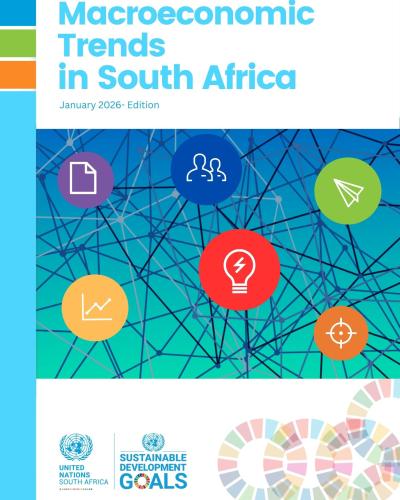
A United Nations report published in January 2026 characterized South Africa’s macroeconomic outlook as “cautiously improving” but warned of persistent domestic risks that could threaten a more inclusive recovery.
The analysis, conducted by the UN’s office in South Africa, noted that inflation had eased to 3.5 percent by the start of 2026, driven by prices for housing, utilities, and food. This had created space for the South African Reserve Bank to continue a cycle of gradually lowering interest rates. The national currency, the rand, also showed steady strength, buoyed by improved domestic sentiment and favourable global conditions.
The primary constraints to a robust recovery remain deeply structural. The unemployment rate was recorded at 31.9 percent, with youth unemployment exceeding 46 percent, highlighting a persistent lack of job creation across economic sectors. The report specifically identified energy and logistics bottlenecks, persistent pressures on the cost of essential goods, and ongoing policy implementation challenges as key domestic risks.
Looking ahead to the remainder of 2026, the UN report projected that high global commodity prices, recovering logistics networks, and continued investment in renewable energy could lift South Africa’s real GDP growth to between 1.9 and 2.0 percent. However, this positive projection is set against a fragile global environment, with the report citing heightened trade tensions, geopolitical risks, and limited fiscal space in many developing economies as potential headwinds.
References:
- United Nations South Africa. “Macroeconomic Trends in South Africa January 2026.” southafrica.un.org, January 2026. https://southafrica.un.org/en/309015-macroeconomic-trends-south-africa-january-2026