By using this site, you agree to the Privacy Policy and Terms of Use.
Accept
BGTNBGTNBGTN
  • Home
  • BRICS
    • B – Brasil
    • R – Россия (Rossiya)
    • I – भारत (Bhārat)
    • C – 中国 (Zhōngguó)
    • S – South Africa
    • BRICS Plus
      • A – Argentina
      • E – مصر (Misr)
      • E – ኢትዮጵያ (Ityop’iya)
      • I – ایران (Irān)
      • S – السعودية (Al-Su’udiyya)
      • U – الإمارات العربية المتحدة
    • BRICS Partner States
      • A – الجزائر
      • B – Bolivia
      • B – Беларусь
      • C – Cuba
      • K – Қазақстан
      • I – Indonesia
      • M – Malaysia
      • N – Nigeria
      • T – ประเทศไทย
      • T – Türkiye
      • U – Uganda
      • U – Oʻzbekiston
      • V – Việt Nam
  • International
  • Sports
  • Features
    • Saudi Vision 2030
    • Business and Finance
    • Technology and Trends
    • Arts and Culture
    • Health and Lifestyle
    • Food and Agriculture
    • Travel and Exploration
    • BGTN Cares
  • Weather
Reading: AI is now accessible to everyone: 3 things parents should teach their kids
Share
Font ResizerAa
Font ResizerAa
BGTNBGTN
  • Brasil
  • Россия (Rossiya)
  • भारत (Bhārat)
  • 中国 (Zhōngguó)
  • South Africa
  • Argentina
  • مصر (Misr)
  • ኢትዮጵያ (Ityop’iya)
  • ایران (Irān)
  • السعودية (Al-Su’udiyya)
  • الإمارات العربية المتحدة
  • الجزائر
  • Bolivia
  • Беларусь
  • Cuba
  • Қазақстан
  • Indonesia
  • Malaysia
  • Nigeria
  • ประเทศไทย
  • Türkiye
  • Uganda
  • Oʻzbekiston
  • Việt Nam
  • Home
  • BRICS
    • B – Brasil
    • R – Россия (Rossiya)
    • I – भारत (Bhārat)
    • C – 中国 (Zhōngguó)
    • S – South Africa
    • BRICS Plus
    • BRICS Partner States
  • International
  • Sports
  • Features
    • Saudi Vision 2030
    • Business and Finance
    • Technology and Trends
    • Arts and Culture
    • Health and Lifestyle
    • Food and Agriculture
    • Travel and Exploration
    • BGTN Cares
  • Weather
Follow US
  • Terms and Conditions
  • Privacy Policy
© 2024 BRICS Global Television Network. Newshound Media. All Rights Reserved.
BGTN > Features > Technology and Trends > AI is now accessible to everyone: 3 things parents should teach their kids
Technology and Trends

AI is now accessible to everyone: 3 things parents should teach their kids

The Conversation
Last updated: December 8, 2023 8:23 am
By The Conversation
7 Min Read
Share
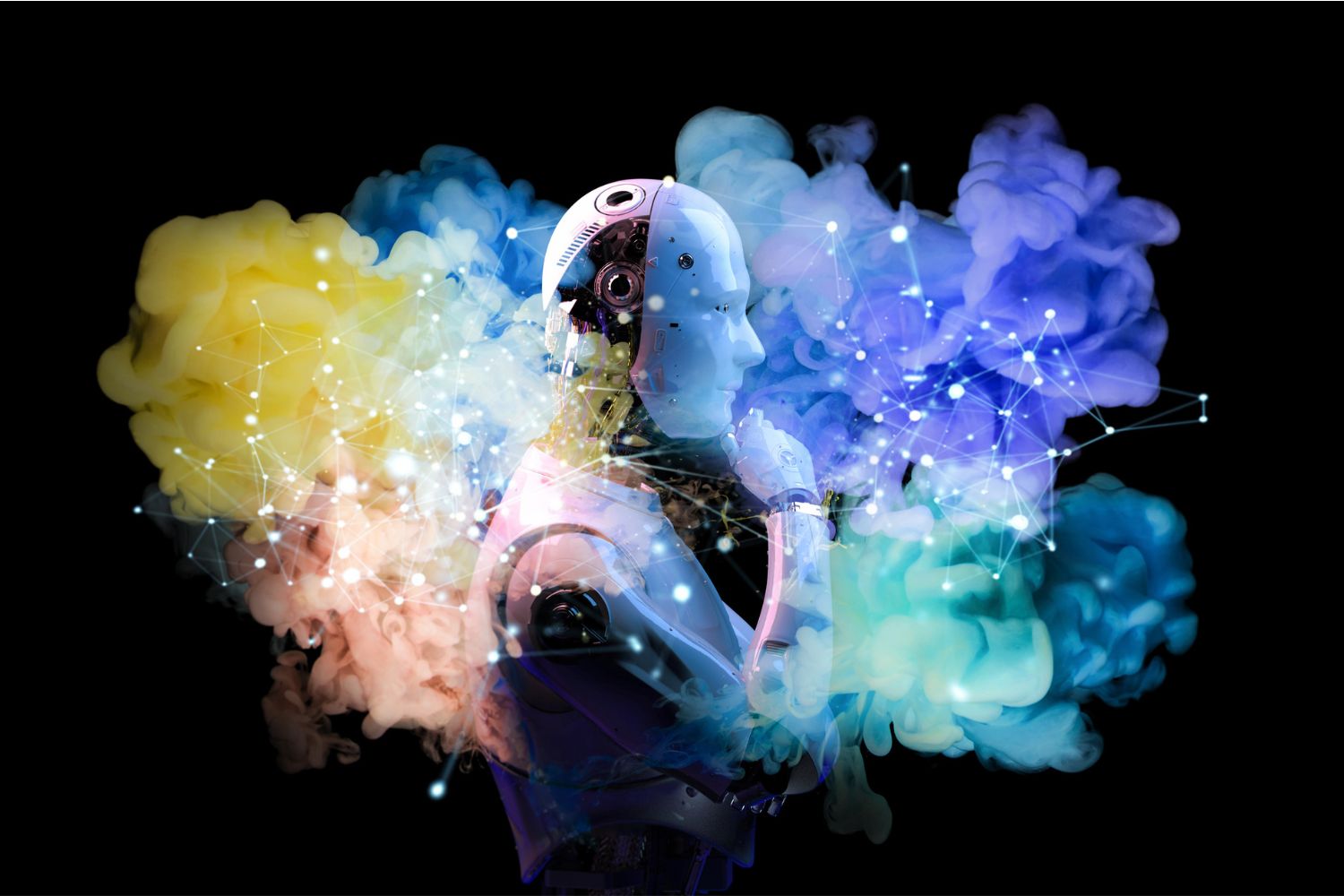
AI and children
Photo: Pixabay.
SHARE

Kathy Mills, Australian Catholic University and Christian Moro, Bond University

Contents
AI is here to stay1. Be critical2. Watch out for chatbots3. Images, videos and audio also matter

It is almost a year since ChatGPT burst onto the scene, fuelling great excitement as well as concern about what it might mean for education.

The changes keep coming. Earlier in the year, MyAI was embedded into social media platform Snapchat. This is a chatbot powered by ChatGPT, which encourages teens to ask anything – from gift suggestions for friends to questions about homework.

Meanwhile, Microsoft is rolling out “Copilot” on its systems, billed as an “everyday AI companion” . This follows the introduction of “Bing Chat”, an AI-enhanced assistant to accompany the Bing search tool.

All of a sudden, generative artificial intelligence – which can create new content such as text and images – has become accessible to everyone, including young people.

We are researchers with a background in digital technology and are highly enthusiastic about the potential for AI. However, there are risks as well as benefits. Here are three things parents can keep in mind as they navigate AI technology with their kids.

ALSO READ: Sam Altman is back as OpenAI CEO just days after being removed, along with a new board

AI is here to stay

Artificial intelligence itself is not new – chatbots and generative AI have been around since the 1960s.

But over the past year there has been a rapid expansion in the size of AI databases, huge financial investments into these technologies, more innovative code, and enhanced accessibility and usability.

Parents may be naturally hesitant about AI. Many schools have considered banning some AI uses, amid claims it would lead to cheating and undermine academic integrity.

But AI is not going to go away, and will only become more widely used in our lives. The sooner young people learn to use this technology, the more informed they can be about how to use it wisely and productively.

If you are a parent, it is important to learn about and try these technologies for yourself so you can help your child navigate a world with AI. Start by logging in to a free generative AI tool, and experiment together by asking the bot some questions and reflecting on the answers.

ALSO READ: Fired Open AI CEO Sam Altman poached by Microsoft, staff threaten to follow suit

1. Be critical

Generative AI can do amazing things – like generate images or write stories – but it does not reflect on what it’s writing. It will string text together in a way that makes sense but not “read between the lines”.

Generative AI cannot evaluate the credibility of sources, nor can it always find authoritative information to back up claims. The generative AI software is also trained on data from a specific time so recent events may not be included.

So children need to learn that although it looks similar to other writing, such as in a book or article, the text has been pieced together by computer code. This means every word, sentence and claim should be treated with scepticism.

You can use this as an opportunity to help your children develop critical thinking skills.

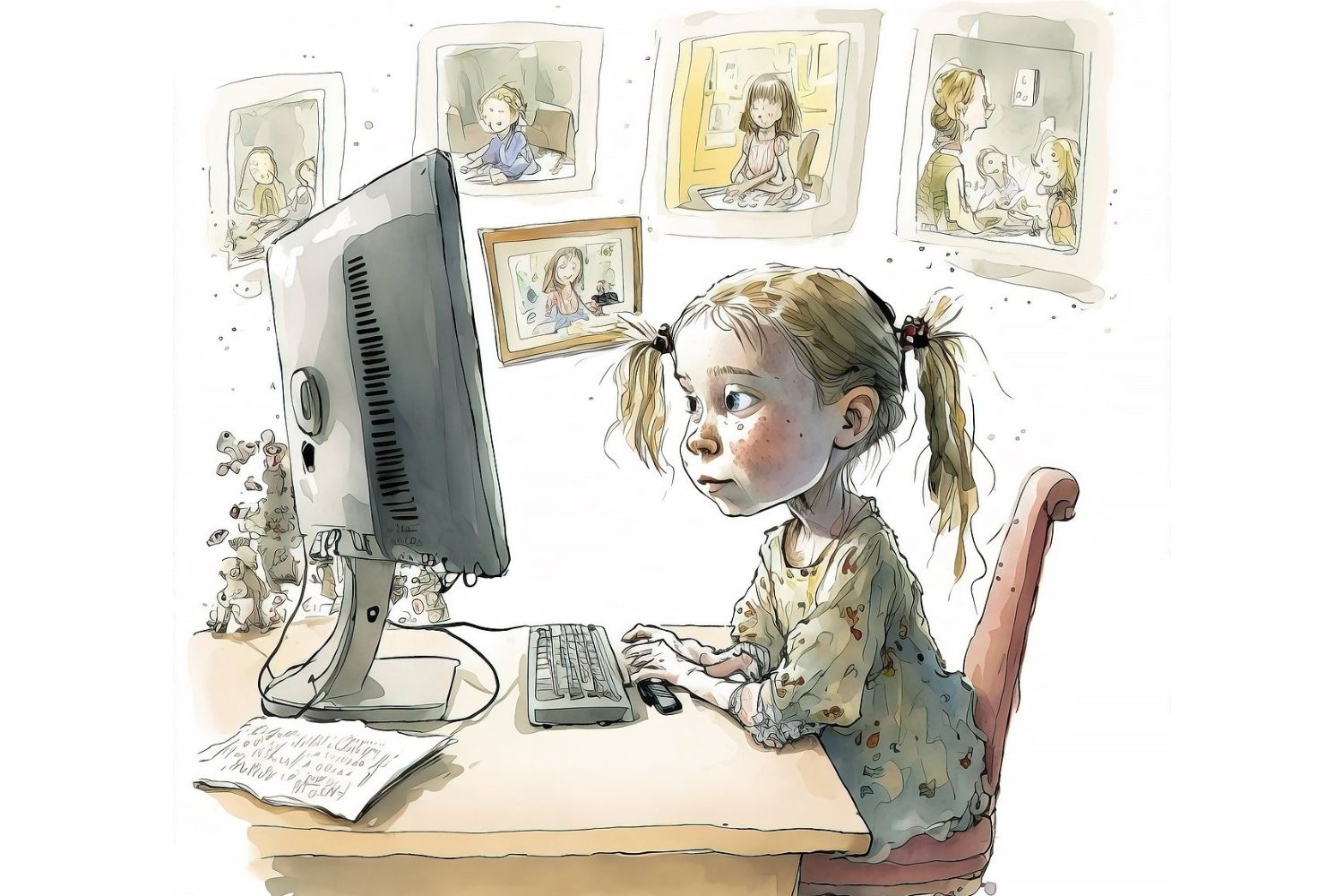
Go to a free AI art generator with your school-age child and put in some searches. Then ask your child questions such as, “What kinds of people are shown? What kinds are missing? Do you see any stereotypes? Can you see any biases?”.

ALSO READ: Thug life chose us: Grand Theft Auto (GTA) drops first trailer for sixth instalment

2. Watch out for chatbots

Chatbots are computer programs designed to simulate conversations as if they were another human.

For example, there were more than ten million Replika users as of 2022. Replika is a chatbot billed as a companion who cares. It acts like a friend but relationships with the chatbot can become romantic or sexual.

In many chatbot applications such as this, there may be no moderation or human checks on inappropriate content. So be aware if your child spending a long time with AI “friends”.

If left unaccompanied, these types of applications could feed into a child’s curiosity and potentially manipulate them into unethical and harmful situations, like highly personal conversations with a bot.

Make it clear to your children that generative AI is machine, not a human. It does not share your ideals, beliefs, culture or religion. It presents text and language based on models and algorithms. It is not something to argue with, take lessons from, or be used to reinforce your values.

The code may also be manually edited to inhibit certain viewpoints or stances on topics.

ALSO READ: What should I give my child’s teacher at the end of the year?

3. Images, videos and audio also matter

With all the focus on text, be sure to remind your children images and video are also part of the generative AI landscape. Children may be careful about what text they enter online but careless with uploading images.

Their photos and facial image become available to AI when uploaded, which makes it harder to protect their identity. For example, ChatGPT now has image capabilities you can include in your conversations with the chatbot. Discuss privacy with your child, and be sure to mention that any data uploaded to the internet can be stored, scanned and processed by AI.

AI can be a powerful learning and engagement tool, and the developments in this field are highly exciting. With open conversations and some oversight, the possibilities of children greatly benefiting from this technology are endless.

Kathy Mills, Professor of Literacies and Digital Cultures, Australian Catholic University and Christian Moro, Associate Professor of Science & Medicine, Bond University

*This article is republished from The Conversation under a Creative Commons license. Read the original article.


Attosecond Science: Unlocking Nature’s Fastest Processes
Top technology accolades for Saudi Arabia
Saudi Center for AI Research and Ethics Granted UNESCO Status
Revolutionary AI tool promises to detect depression by simply looking into your eyes
Chinese equipment faces increased scrutiny following pager explosions
TAGGED:Artificial Intelligencechildren
Share This Article
Facebook Flipboard Pinterest Whatsapp Whatsapp LinkedIn Tumblr Reddit VKontakte Telegram Threads Email Copy Link Print
What do you think?
Love0
Sad0
Happy0
Surprise0
Shy0
Joy0
Cry0
Embarrass0
Sleepy0
Angry0
Dead0
Wink0
Previous Article baby asleep Climate crisis: What to consider if you’re questioning whether to have children
Next Article BRICS fashion show PICS: Moscow hosts a fashion forum with designers from Brazil, China, India and South Africa
1 Comment
  • oVZyAmBgpKw says:
    December 17, 2023 at 6:07 am

    JkFEfIhnt

    Reply

Leave a Reply Cancel reply

Your email address will not be published. Required fields are marked *

Stay Connected

FacebookLike
XFollow
PinterestPin
InstagramFollow
YoutubeSubscribe
TiktokFollow
LinkedInFollow
TumblrFollow
ThreadsFollow
BlueskyFollow
RSS FeedFollow
- Advertisement -
Ad imageAd image

Latest News

China and Africa Launch Year of People-to-People Exchanges at AU Headquarters
Arts and Culture Features
A New Leader in the Electric Vehicle Race
Business and Finance Features
China’s Official Manufacturing PMI Contracts in January, Diverging from Private Survey Amid Mixed Economic Signals
Business and Finance Features
India’s Economic Momentum Endures, Strong Growth Forecasts, Benign Inflation Anchor Policy in Early 2026
Business and Finance Features

You Might Also Like

This photo taken on November 7, 2023 shows Seakoo Wu and his wife visiting the grave of their son Wu Xuanmo, who died last year aged 22 while attending Exeter University in Britain, at a cemetery in China's eastern Zhejiang province. At a quiet cemetery in eastern China, bereaved father Seakoo Wu pulls out his phone, places it on a black granite gravestone and plays a recording of his son. They are words that the late student never spoke, but brought into being with artificial intelligence. (Photo by Hector RETAMAL / AFP) / TO GO WITH STORY: CHINA-SCIENCE-DEATH-AI, FOCUS BY MATTHEW WALSH - TO GO WITH STORY: China-science-death-AI, FOCUS by Matthew WALSH
International

Chinese mourners use AI to digitally resurrect the dead

December 14, 2023
Technology and TrendsAfricaBRICSРоссия (Rossiya)

African states collaborate with Russia for satellite launches to enhance Sahel communications

July 12, 2025
BRICSLifestyle中国 (Zhōngguó)

Speech-impaired children find their voice with VoiceChanger

June 13, 2024
Technology and TrendsBRICS Plusالسعودية (Al-Su'udiyya)

Saudi Arabia enhances national security with new high-tech facilities and AI-driven services

July 12, 2025

Google Translate

Learn About BRICS

  • B – Brasil
  • R – Россия (Rossiya)
  • I – भारत (Bhārat)
  • C – 中国 (Zhōngguó)
  • S – South Africa
  • Saudi Vision 2030

Our World

  • Support Centre
  • Careers
BGTNBGTN
Follow US
© 2025 BRICS Global Television Network (Pty) Ltd. All Rights Reserved.
  • Privacy Policy
  • Terms and Conditions
Welcome Back!

Sign in to your account

Username or Email Address
Password

Lost your password?