By using this site, you agree to the Privacy Policy and Terms of Use.
Accept
BGTNBGTNBGTN
  • Home
  • BRICS
    • B – Brasil
    • R – Россия (Rossiya)
    • I – भारत (Bhārat)
    • C – 中国 (Zhōngguó)
    • S – South Africa
    • BRICS Plus
      • A – Argentina
      • E – مصر (Misr)
      • E – ኢትዮጵያ (Ityop’iya)
      • I – ایران (Irān)
      • S – السعودية (Al-Su’udiyya)
      • U – الإمارات العربية المتحدة
    • BRICS Partner States
      • A – الجزائر
      • B – Bolivia
      • B – Беларусь
      • C – Cuba
      • K – Қазақстан
      • I – Indonesia
      • M – Malaysia
      • N – Nigeria
      • T – ประเทศไทย
      • T – Türkiye
      • U – Uganda
      • U – Oʻzbekiston
      • V – Việt Nam
  • International
  • Sports
  • Features
    • Saudi Vision 2030
    • Business and Finance
    • Technology and Trends
    • Arts and Culture
    • Health and Lifestyle
    • Food and Agriculture
    • Travel and Exploration
    • BGTN Cares
  • Weather
Reading: China and U.S. race to establish lunar time standards
Share
Font ResizerAa
Font ResizerAa
BGTNBGTN
  • Brasil
  • Россия (Rossiya)
  • भारत (Bhārat)
  • 中国 (Zhōngguó)
  • South Africa
  • Argentina
  • مصر (Misr)
  • ኢትዮጵያ (Ityop’iya)
  • ایران (Irān)
  • السعودية (Al-Su’udiyya)
  • الإمارات العربية المتحدة
  • الجزائر
  • Bolivia
  • Беларусь
  • Cuba
  • Қазақстан
  • Indonesia
  • Malaysia
  • Nigeria
  • ประเทศไทย
  • Türkiye
  • Uganda
  • Oʻzbekiston
  • Việt Nam
  • Home
  • BRICS
    • B – Brasil
    • R – Россия (Rossiya)
    • I – भारत (Bhārat)
    • C – 中国 (Zhōngguó)
    • S – South Africa
    • BRICS Plus
    • BRICS Partner States
  • International
  • Sports
  • Features
    • Saudi Vision 2030
    • Business and Finance
    • Technology and Trends
    • Arts and Culture
    • Health and Lifestyle
    • Food and Agriculture
    • Travel and Exploration
    • BGTN Cares
  • Weather
Follow US
  • Terms and Conditions
  • Privacy Policy
© 2024 BRICS Global Television Network. Newshound Media. All Rights Reserved.
BGTN > BRICS > 中国 (Zhōngguó) > China and U.S. race to establish lunar time standards
BRICS中国 (Zhōngguó)

China and U.S. race to establish lunar time standards

Reporter
Last updated: July 11, 2025 11:57 pm
By Reporter
5 Min Read
Share
Photo: SCMP
SHARE

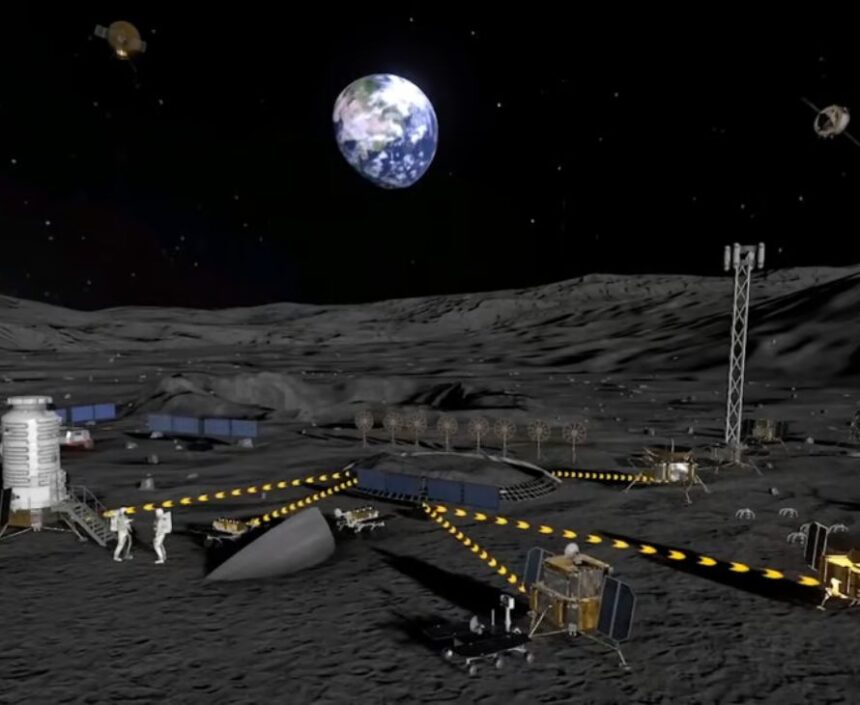
As humanity sets its sights on returning to the Moon and establishing a sustainable presence there, a pivotal question arises: What time is it on the Moon? This seemingly simple query has profound implications for international lunar missions, as the United States and China, two of the leading space-faring nations, are racing to develop distinct time standards to coordinate their operations and activities on the lunar surface.

The Importance of Timekeeping in Space

Timekeeping in space is crucial for a multitude of reasons. On Earth, time is standardised based on time zones, which are aligned with the planet’s rotation. However, the Moon presents unique challenges. With its 29.5 Earth-day lunar cycle, a day on the Moon lasts roughly 29.5 Earth days, creating a need for a new system of measurement that can facilitate coordination among various missions from different countries.

As lunar exploration becomes more collaborative, a universal time standard will be essential to ensure that missions can communicate effectively, avoid scheduling conflicts, and synchronize activities. The establishment of a lunar time standard is not merely a technical issue; it is a matter of international cooperation and collaboration in space exploration.

 The U.S. Approach: Lunar Reference Time

The United States, through NASA and its Artemis program, is taking steps to create a lunar timekeeping system known as Lunar Reference Time (LRT). This system aims to establish a consistent time standard that can be used across different missions, both crewed and uncrewed.

NASA’s strategy includes developing a timekeeping framework that incorporates the lunar day-night cycle, taking into account the various missions planned for the lunar South Pole and other regions. The agency is also exploring technological solutions, such as atomic clocks, to ensure accurate timekeeping in the harsh lunar environment.

China’s Initiative: Coordinated Lunar Time

On the other side of the globe, China is also moving forward with its own lunar time standards. The Chinese space agency, which has achieved significant milestones with its Chang’e lunar missions, is developing a Coordinated Lunar Time (CLT) system. This initiative aims to facilitate communication and coordination among China’s future lunar missions, including plans for crewed lunar landings.

China’s approach emphasizes the need for a time standard that can accommodate the country’s growing ambitions in space exploration and its desire to collaborate with other nations. As China seeks to establish a more prominent role in international space activities, the development of CLT reflects its commitment to creating a framework for future lunar exploration.

The Race to Establish a Universal Standard

The competition between the U.S. and China to establish lunar time standards highlights the broader geopolitical dynamics at play in space exploration. Both nations recognise the importance of effective timekeeping as they prepare for a new era of lunar exploration, which includes potential collaborations with international partners.

However, the lack of a unified time standard could pose significant challenges for future missions. As more countries plan to send missions to the Moon, the need for a common framework becomes increasingly urgent. The establishment of a universal lunar time standard would facilitate collaboration, enhance safety, and streamline operations on the lunar surface.

As China and the U.S. race to finalise their lunar time standards, the international community is closely watching their developments. The decisions made in the coming years will have lasting implications for lunar exploration and the potential for collaborative efforts among nations.

Ultimately, the question of “What time is it on the Moon?” is more than a technical inquiry; it represents a critical component of humanity’s quest to explore and inhabit other celestial bodies. As nations work to navigate the complexities of space exploration, the establishment of a shared lunar time standard could serve as a foundation for future cooperation and collaboration in the vast expanse of space.

ALSO READ: China to partner with Egypt and Bahrain on 2026 lunar mission

Brazil aims for concise and pragmatic final declaration as host of 2024 G20 Summit
Chinese astronauts set a new spacewalk record on Tiangong Space Station
BGTN – Weekly Roundup stories making headlines in BRICS countries around the World
South Africa’s Grey High School Blends Tradition, Culture and Sporting Greatness
In Case You Missed It: The 2025 G20 Interfaith Forum in Addis Ababa
TAGGED:Artemis programChinacollaborationlunar explorationlunar time standardsmoonNASAspace explorationUnited States
Share This Article
Facebook Flipboard Pinterest Whatsapp Whatsapp LinkedIn Tumblr Reddit VKontakte Telegram Threads Email Copy Link Print
What do you think?
Love0
Sad0
Happy0
Surprise0
Shy0
Joy0
Cry0
Embarrass0
Sleepy0
Angry0
Dead0
Wink0
Previous Article Outrage in South Africa: The tragic case of Maria Makgato and Lucia Ndlovu
Next Article A celebration of Middle Eastern Art: Sotheby’s Dubai exhibition
Leave a Comment

Leave a Reply Cancel reply

Your email address will not be published. Required fields are marked *

Stay Connected

FacebookLike
XFollow
PinterestPin
InstagramFollow
YoutubeSubscribe
TiktokFollow
LinkedInFollow
TumblrFollow
ThreadsFollow
BlueskyFollow
RSS FeedFollow
- Advertisement -
Ad imageAd image

Latest News

China and Africa Launch Year of People-to-People Exchanges at AU Headquarters
Arts and Culture Features
A New Leader in the Electric Vehicle Race
Business and Finance Features
China’s Official Manufacturing PMI Contracts in January, Diverging from Private Survey Amid Mixed Economic Signals
Business and Finance Features
India’s Economic Momentum Endures, Strong Growth Forecasts, Benign Inflation Anchor Policy in Early 2026
Business and Finance Features

You Might Also Like

(FILES) (L-R) Astronauts Jiang Xinlin, Tang Shengjie and Tang Hongbo wave before boarding the Shenzhou-17 spacecraft on a Long March-2F carrier rocket at the Jiuquan Satellite Launch Centre in the Gobi desert, in northwest China on October 26, 2023. When Chang'e-3 became the first Chinese craft to land on the Moon 10 years ago, it kicked off nationwide celebrations -- and a decade of major successes for a rapidly accelerating space programme. Since the December 14, 2013 landing, China has built a crewed space station, sent a robotic rover to Mars and become the first nation to make a controlled landing on the far side of the Moon. (Photo by Pedro PARDO / AFP) RELATED CONTENT
International

China’s space programme: Five things to know

December 14, 2023
BRICSBRICS PlusInternational

Today’s BRICS+ Numbers

July 12, 2025
BRICS中国 (Zhōngguó)

SCO Summit 2025 in China Represents Over 3 Billion People

September 11, 2025
InternationalBrasil

Judge in Brazil orders slaughterhouses to fund Amazon reforestation

July 12, 2025

Google Translate

Learn About BRICS

  • B – Brasil
  • R – Россия (Rossiya)
  • I – भारत (Bhārat)
  • C – 中国 (Zhōngguó)
  • S – South Africa
  • Saudi Vision 2030

Our World

  • Support Centre
  • Careers
BGTNBGTN
Follow US
© 2025 BRICS Global Television Network (Pty) Ltd. All Rights Reserved.
  • Privacy Policy
  • Terms and Conditions
Welcome Back!

Sign in to your account

Username or Email Address
Password

Lost your password?